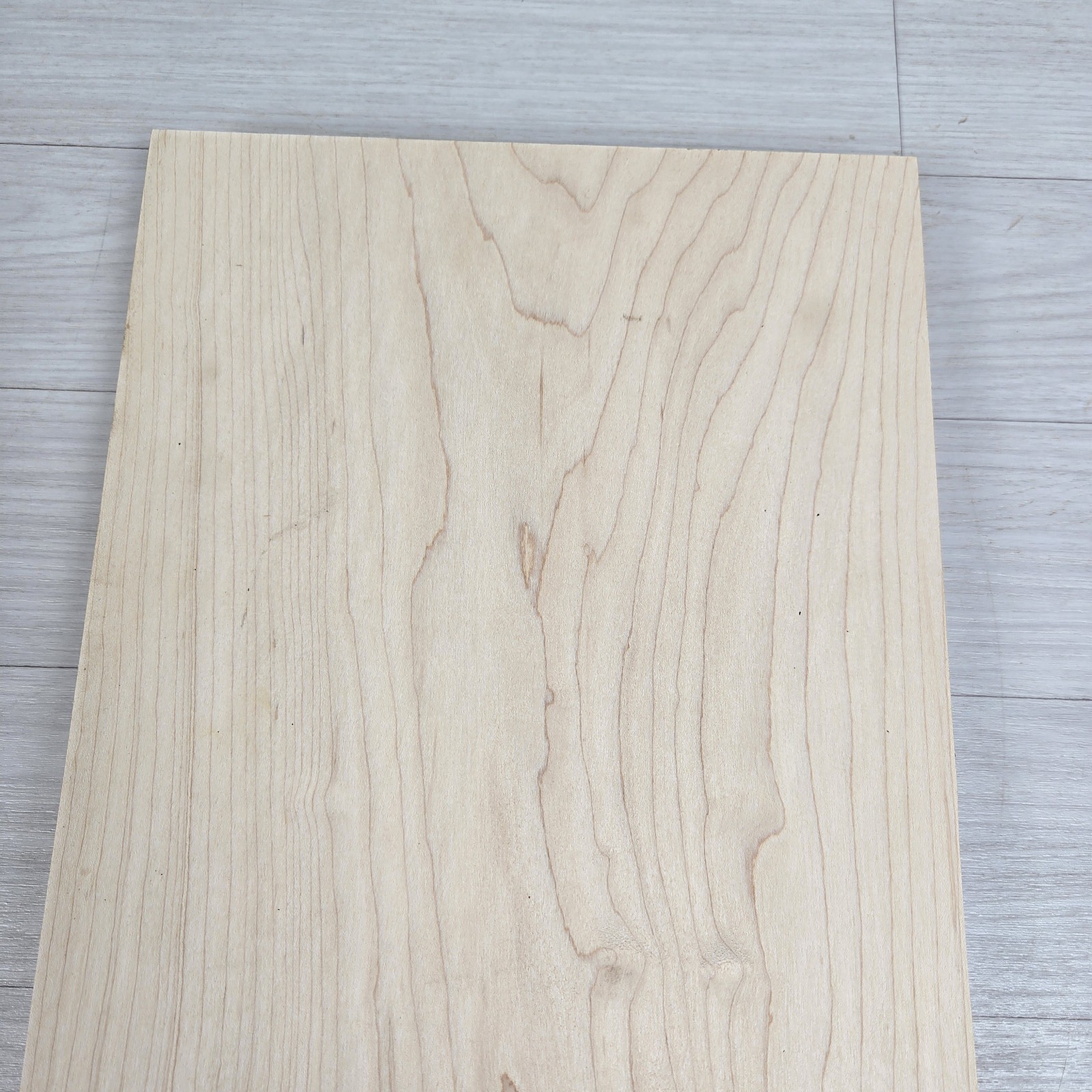
In English, ironwood combines “iron” with “wood.” Because it is applied to wood as hard as iron, many different trees around the world are called by this name. Woodway also includes “Monjo (Monjyo)” in its product names. Since the name does not identify a single species, the most accurate way to choose ironwood is to look at each individual board rather than rely on the name.
A Charred Edge
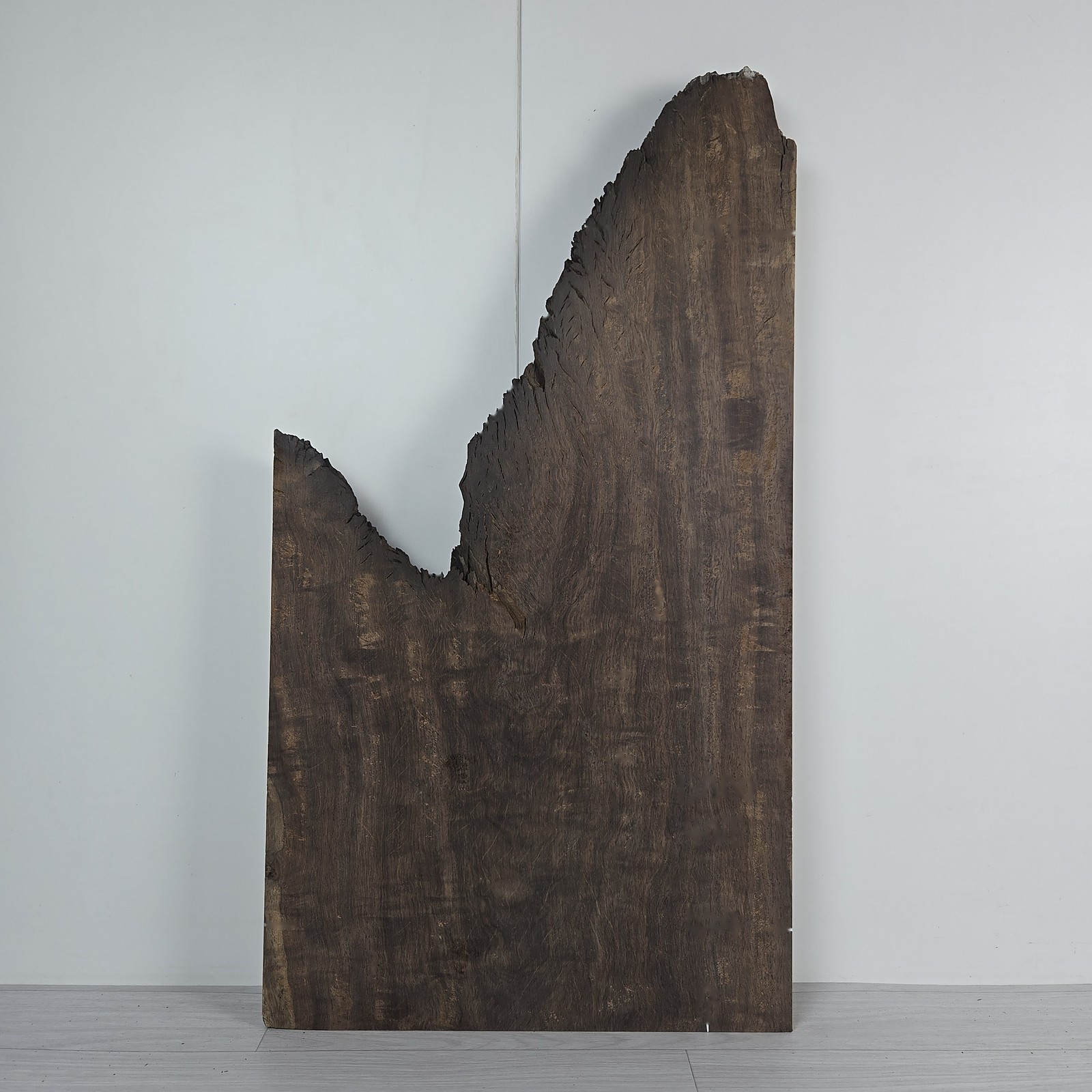
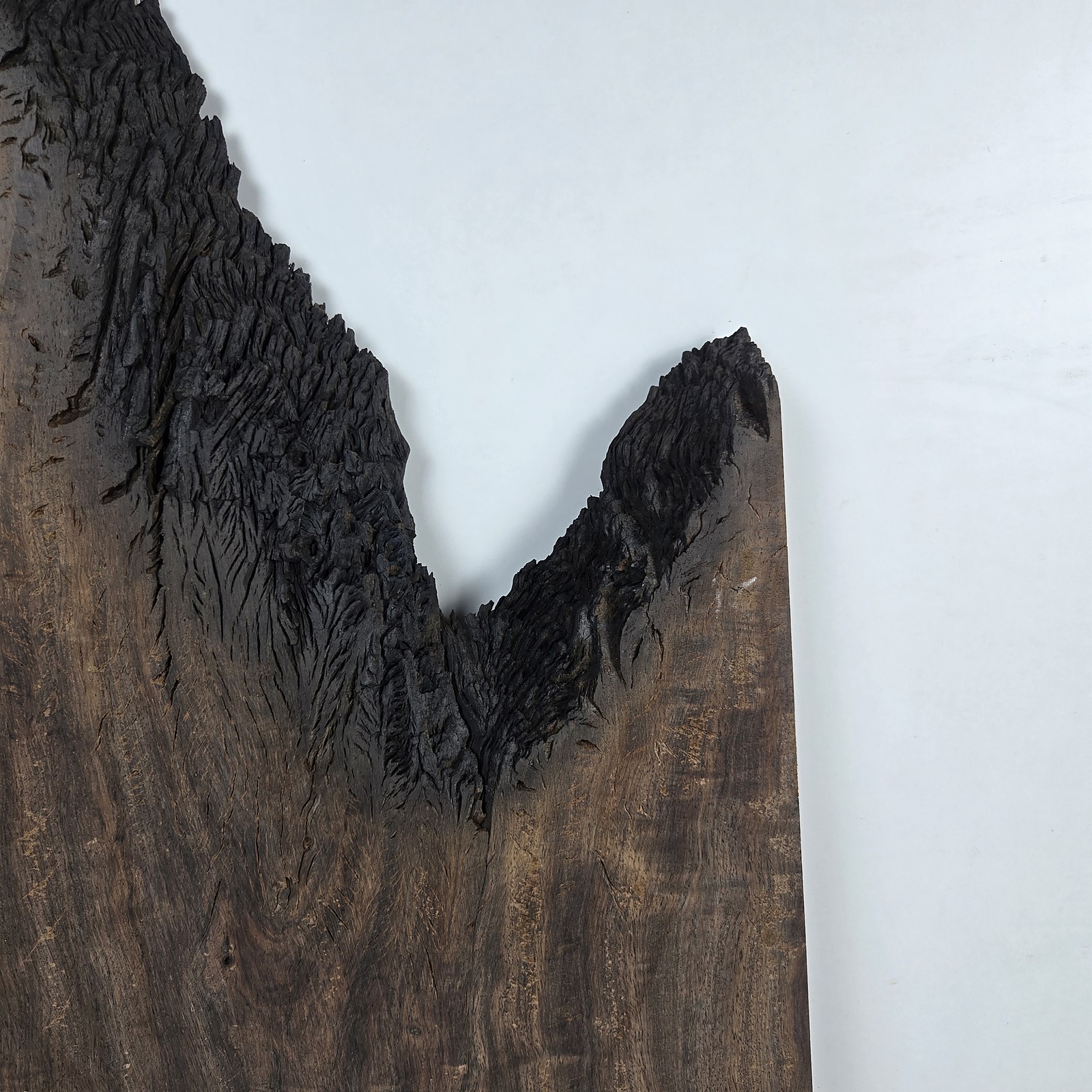
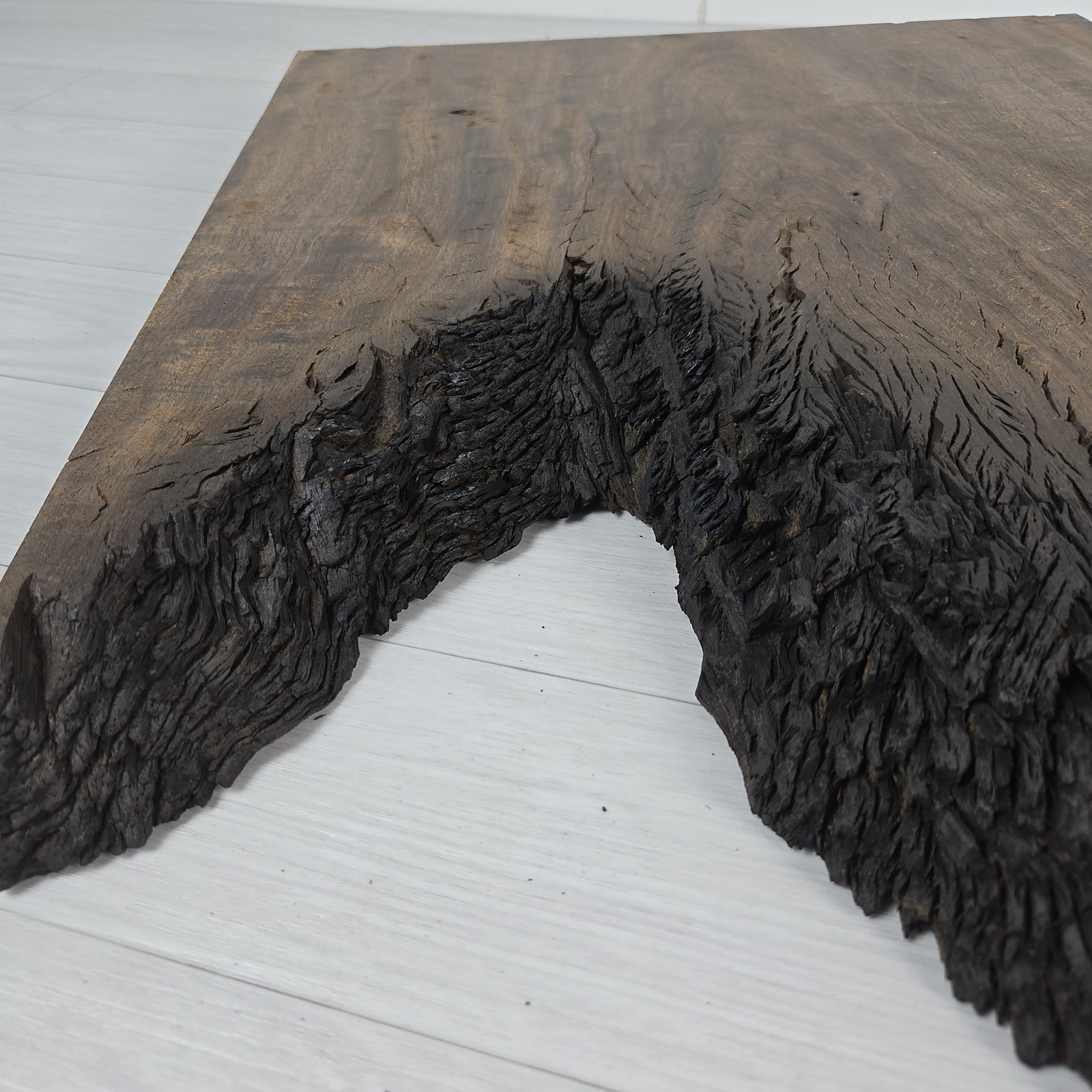
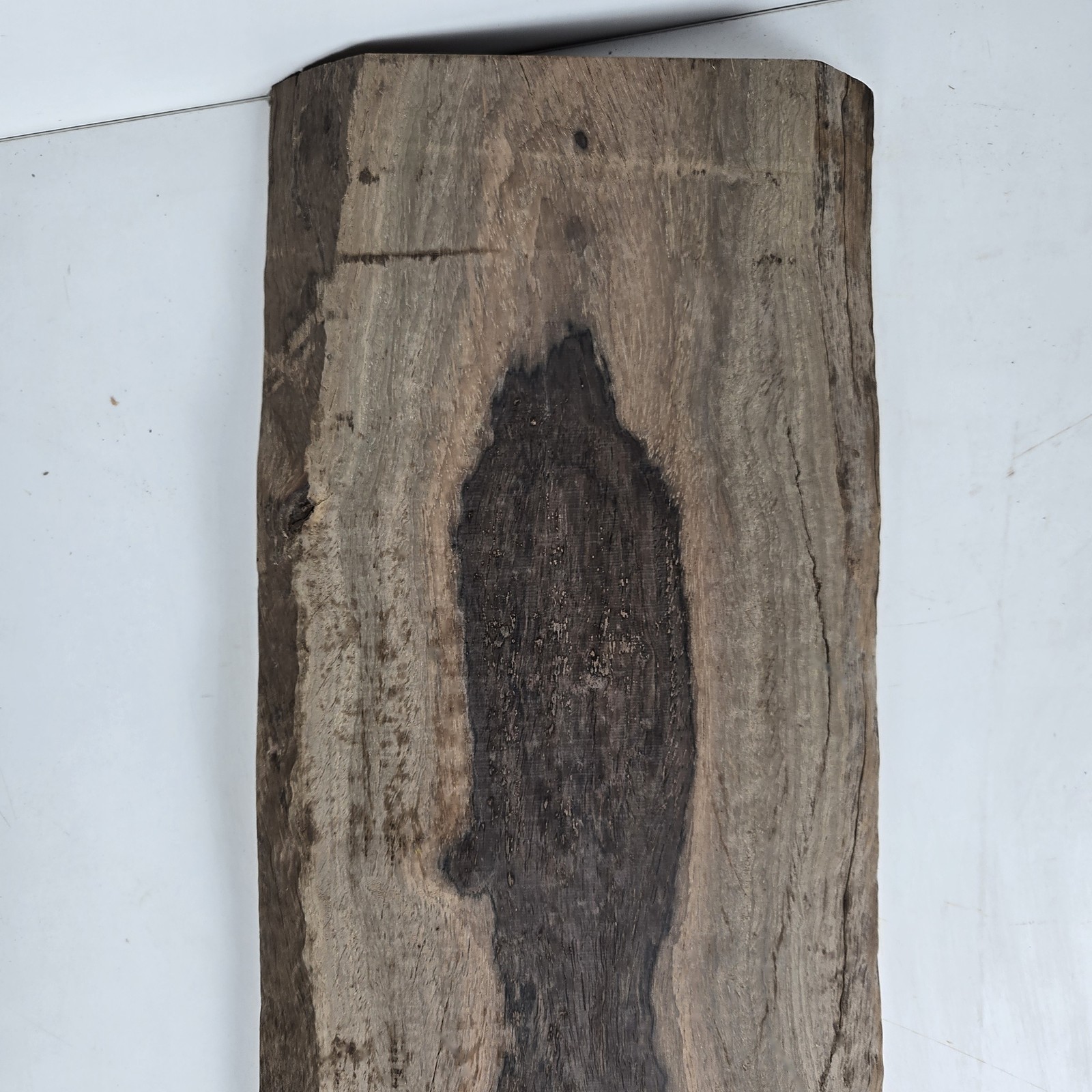
The board that first catches the eye is the one whose product name includes “struck by lightning.” When stood upright, it has a deep V-shaped hollow at the top on one side, with an edge charred black like charcoal. The charred surface has split along the grain into rough, scale-like pieces, while the inner surface beneath it retains its dark-brown grain. A smooth face and a rough edge meet within a single board.
A Dark Board, a Divided Board
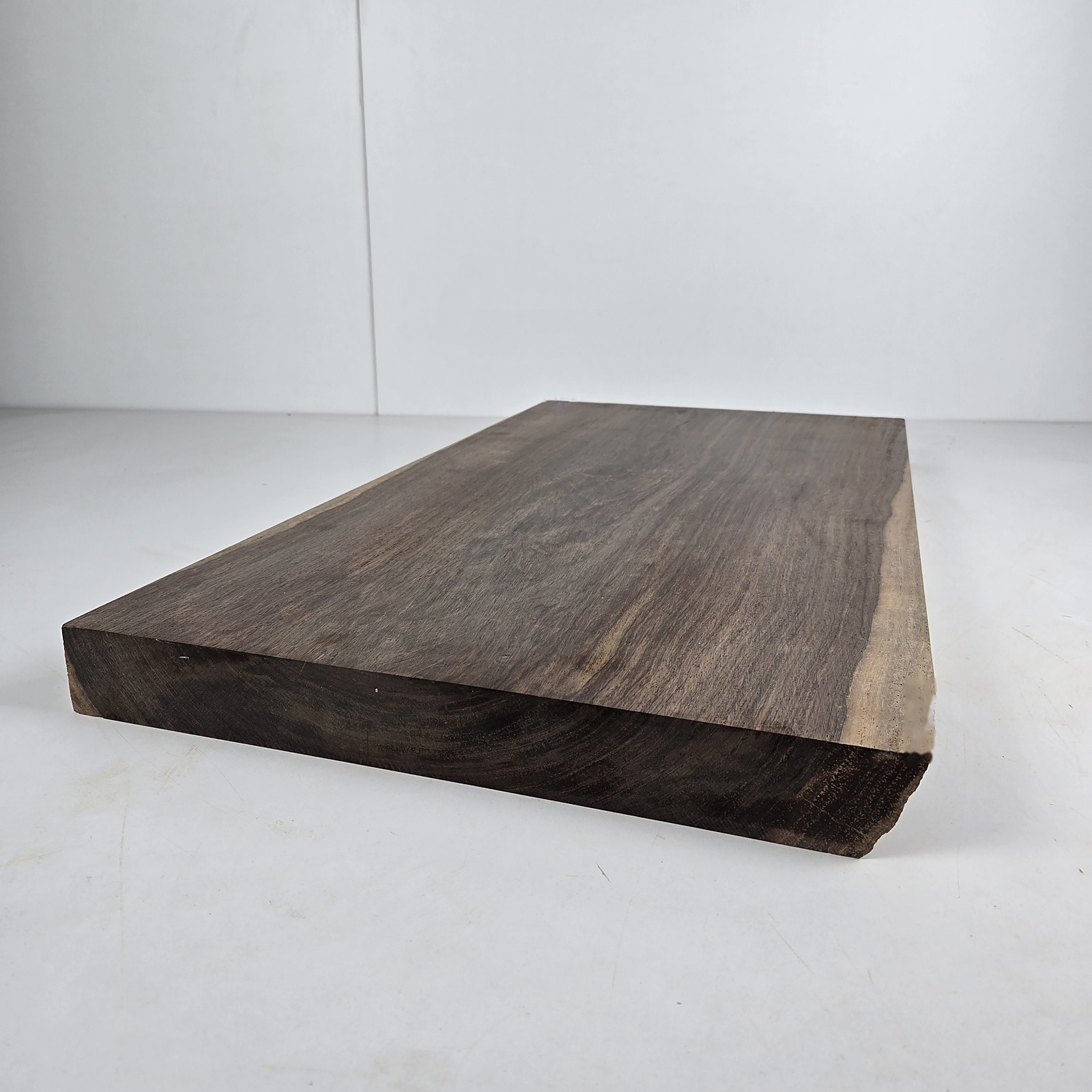
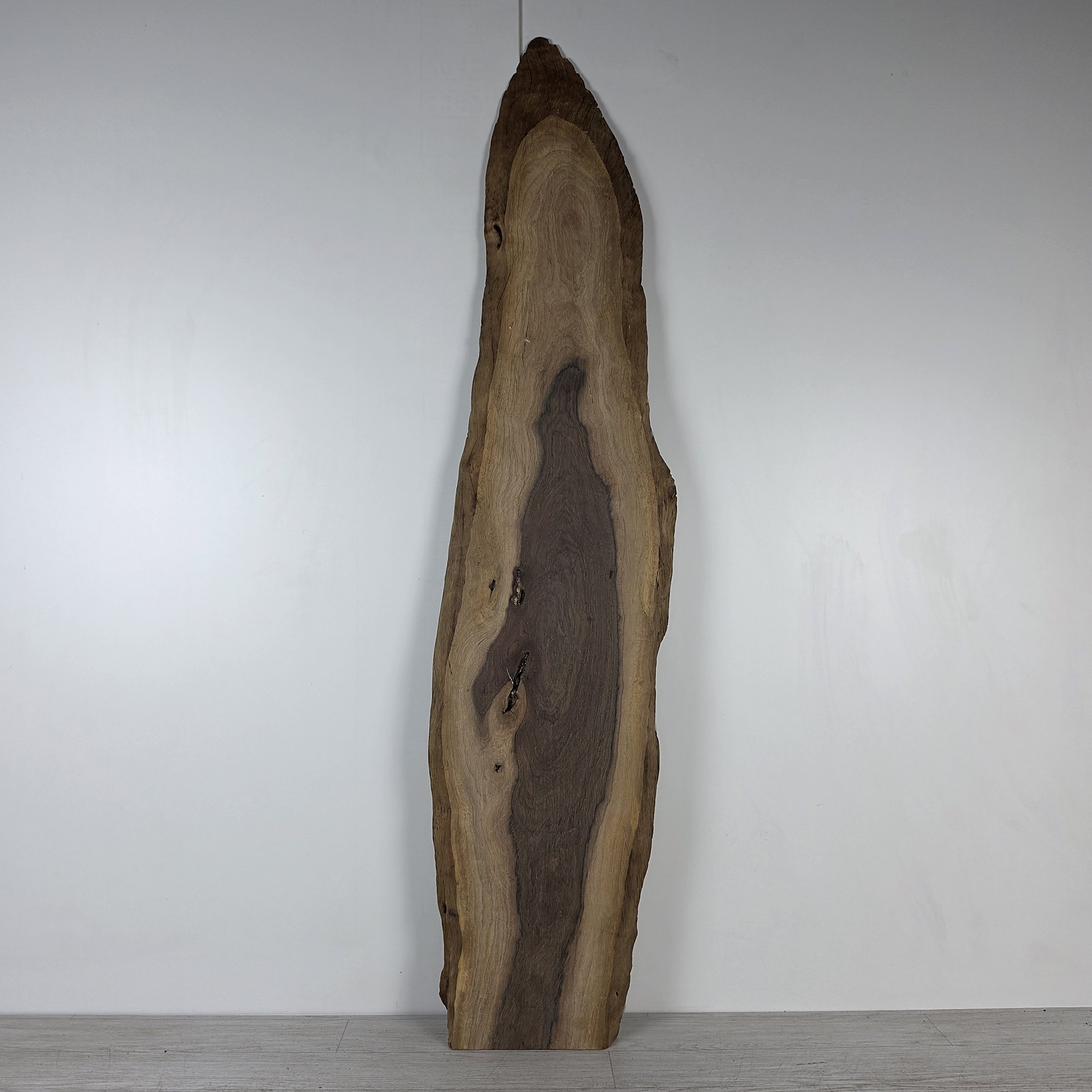
The other boards differ in color. One broad board, reaching 49 mm in thickness, is evenly dark brown across its entire face, making even its cross-section look substantial from the side. By contrast, a 1,095 mm-long board is dark only in the center, with a light grayish brown around the perimeter. The heartwood from the tree’s interior and the outer sapwood are clearly divided within a single board.
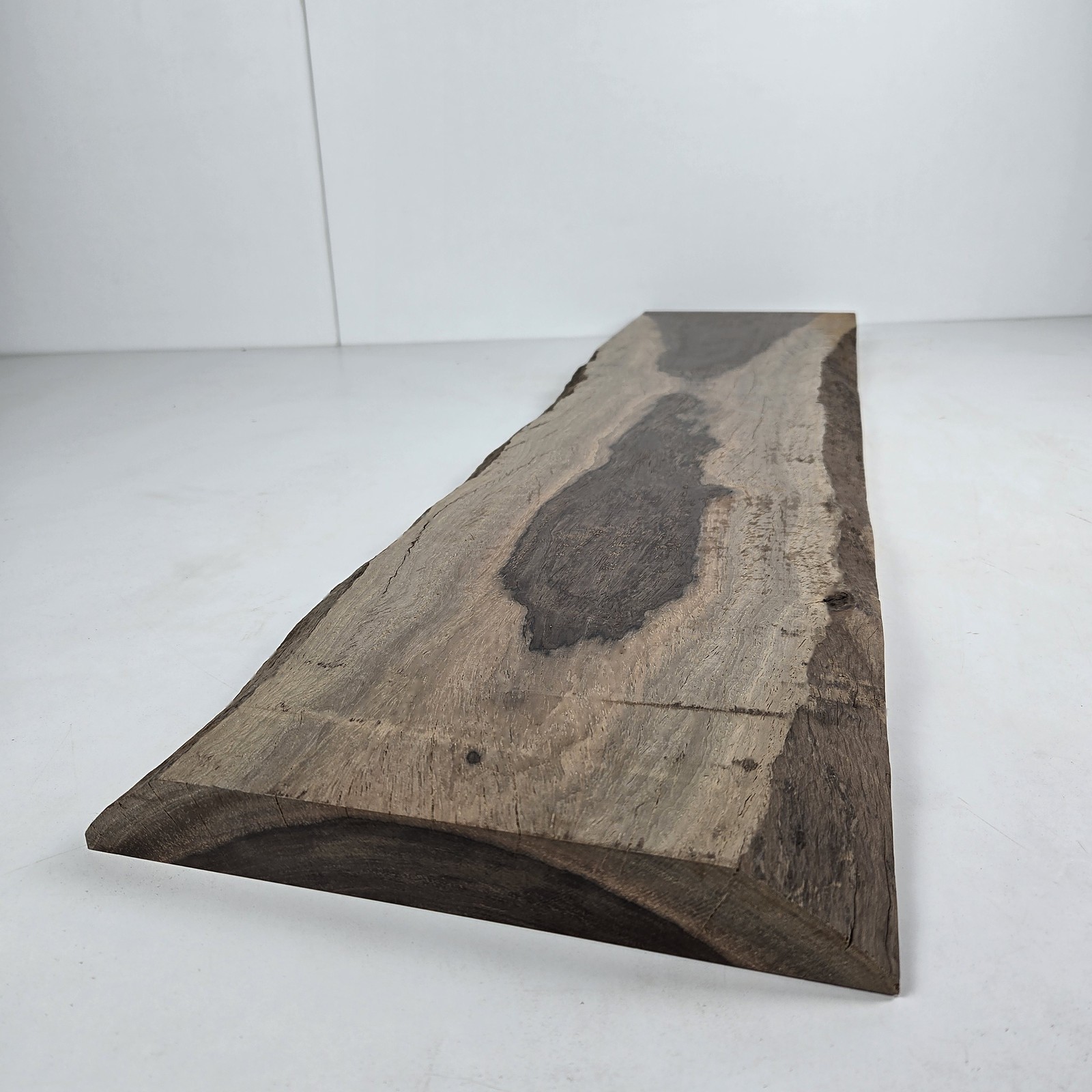
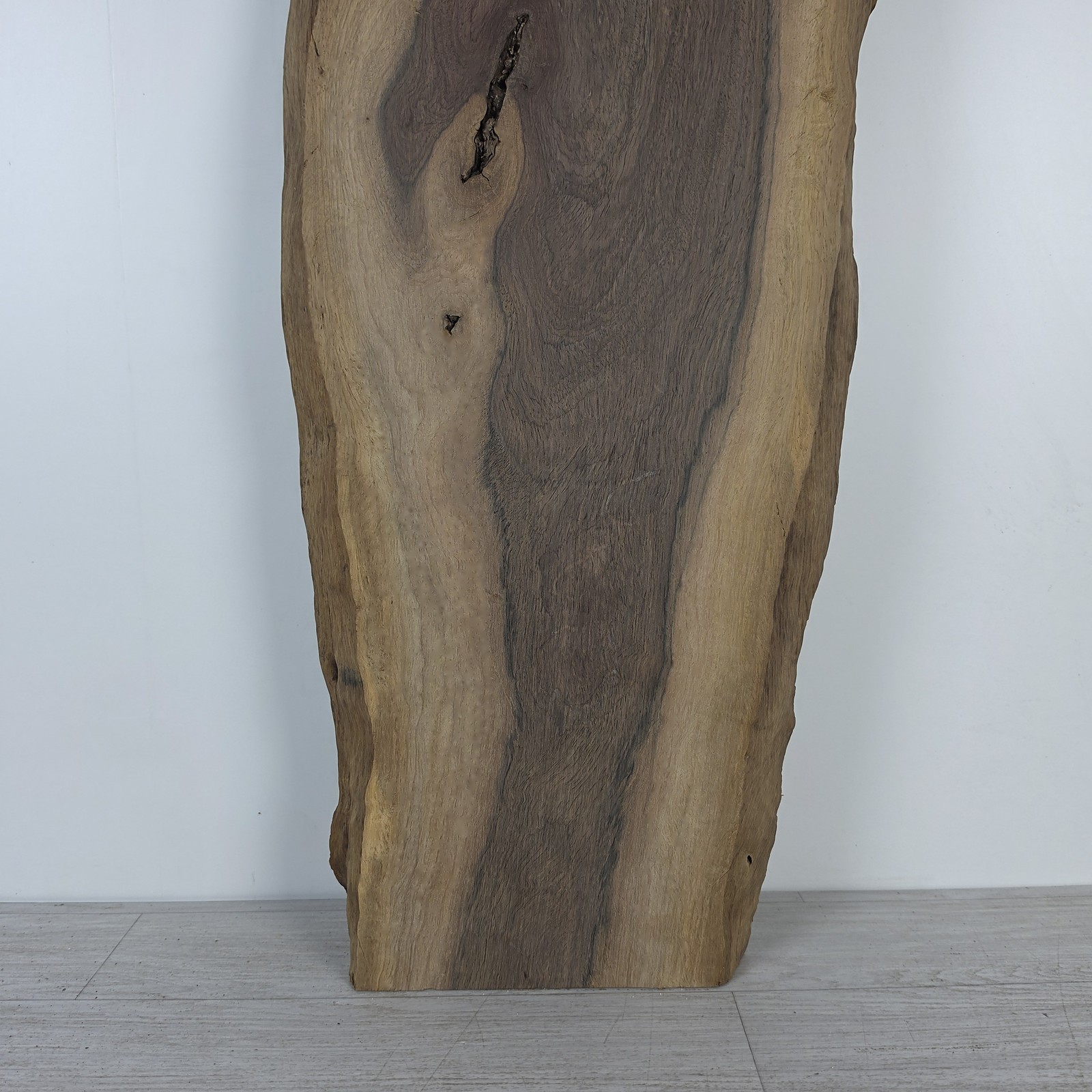
A board measuring 1,300 mm in length displays this contrast across a greater span. When stood upright, the light sapwood wraps around the board like a border, while the dark heartwood continues from bottom to top inside it. Around a knot, the dark color briefly veers aside.
A Red Board and Growth Rings
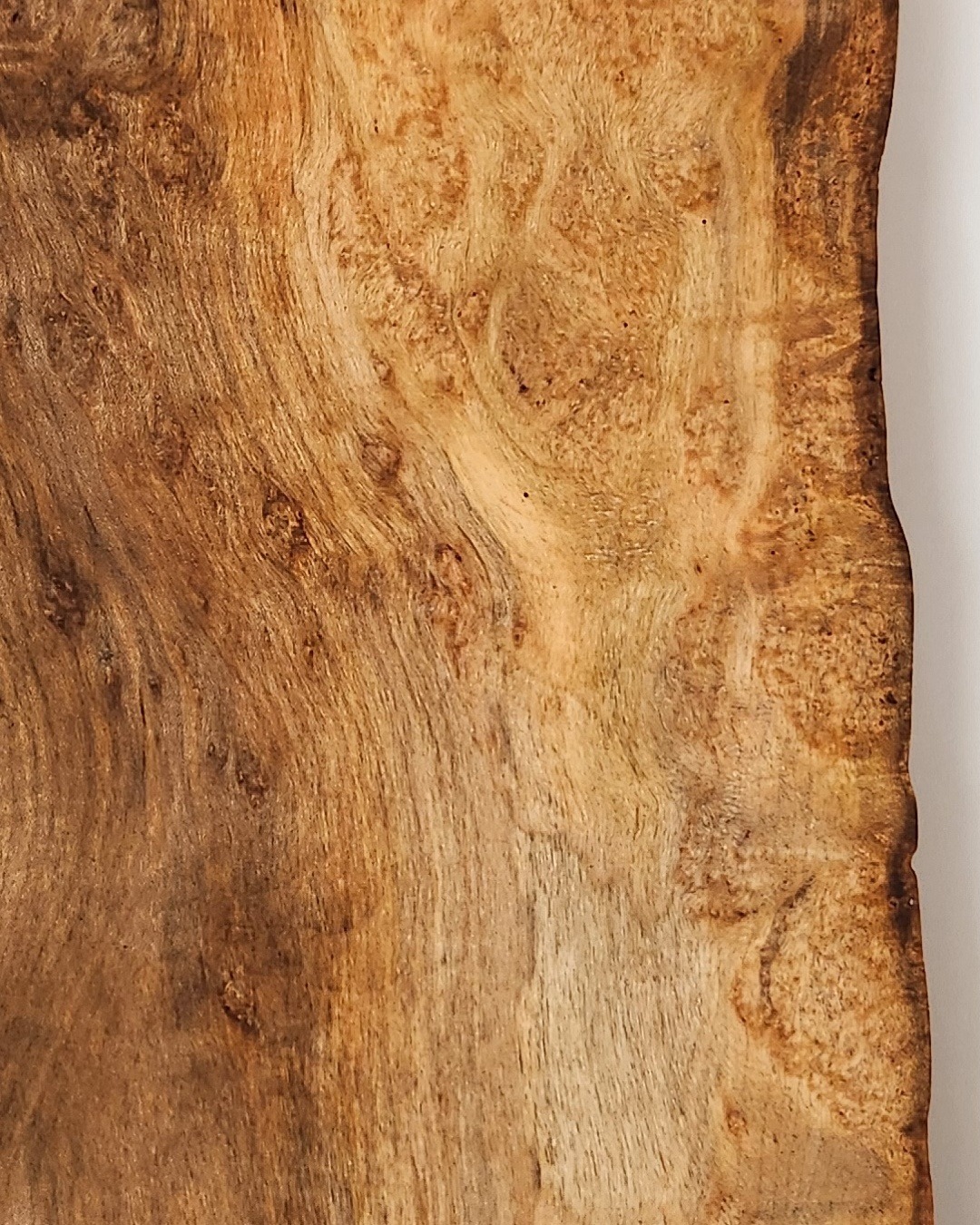
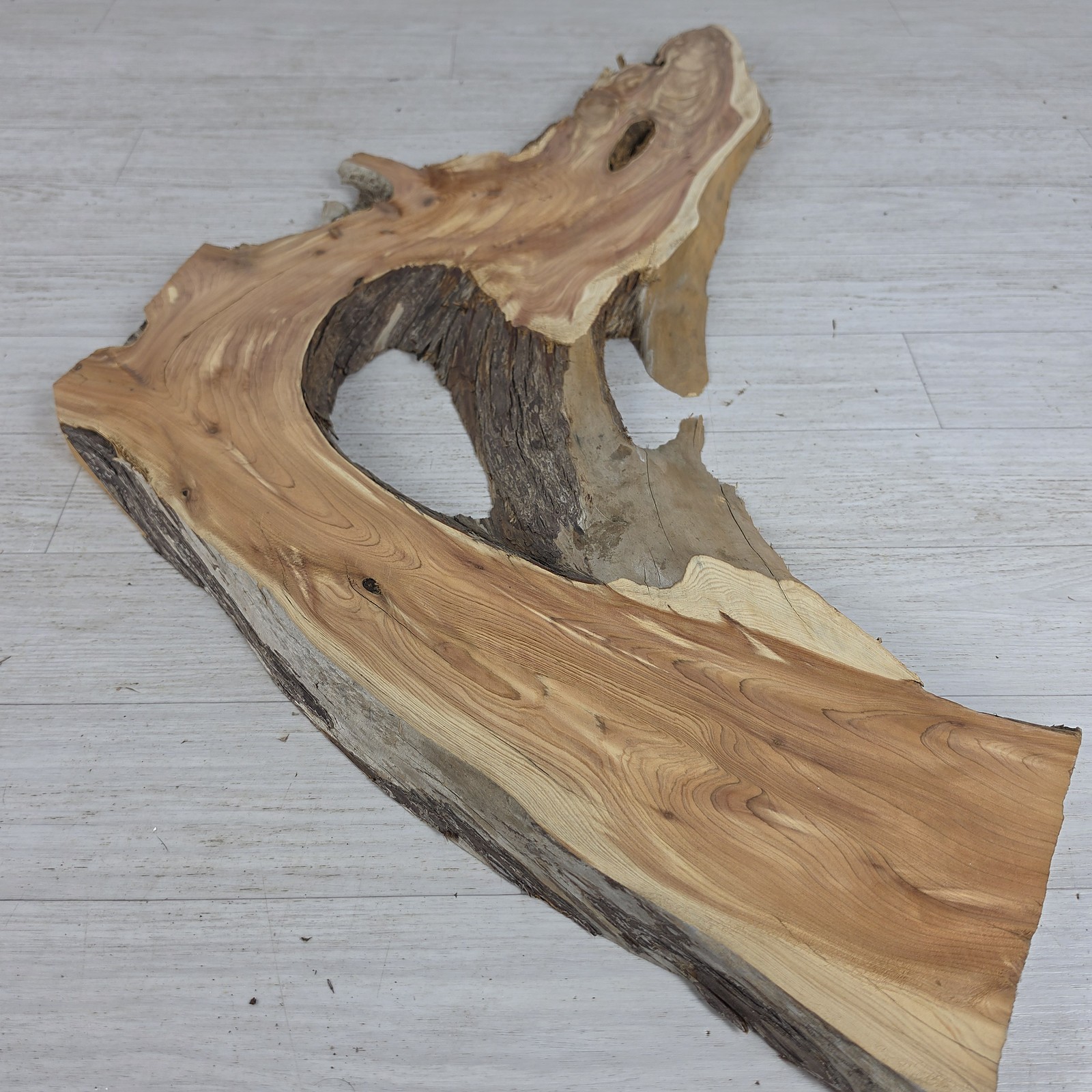
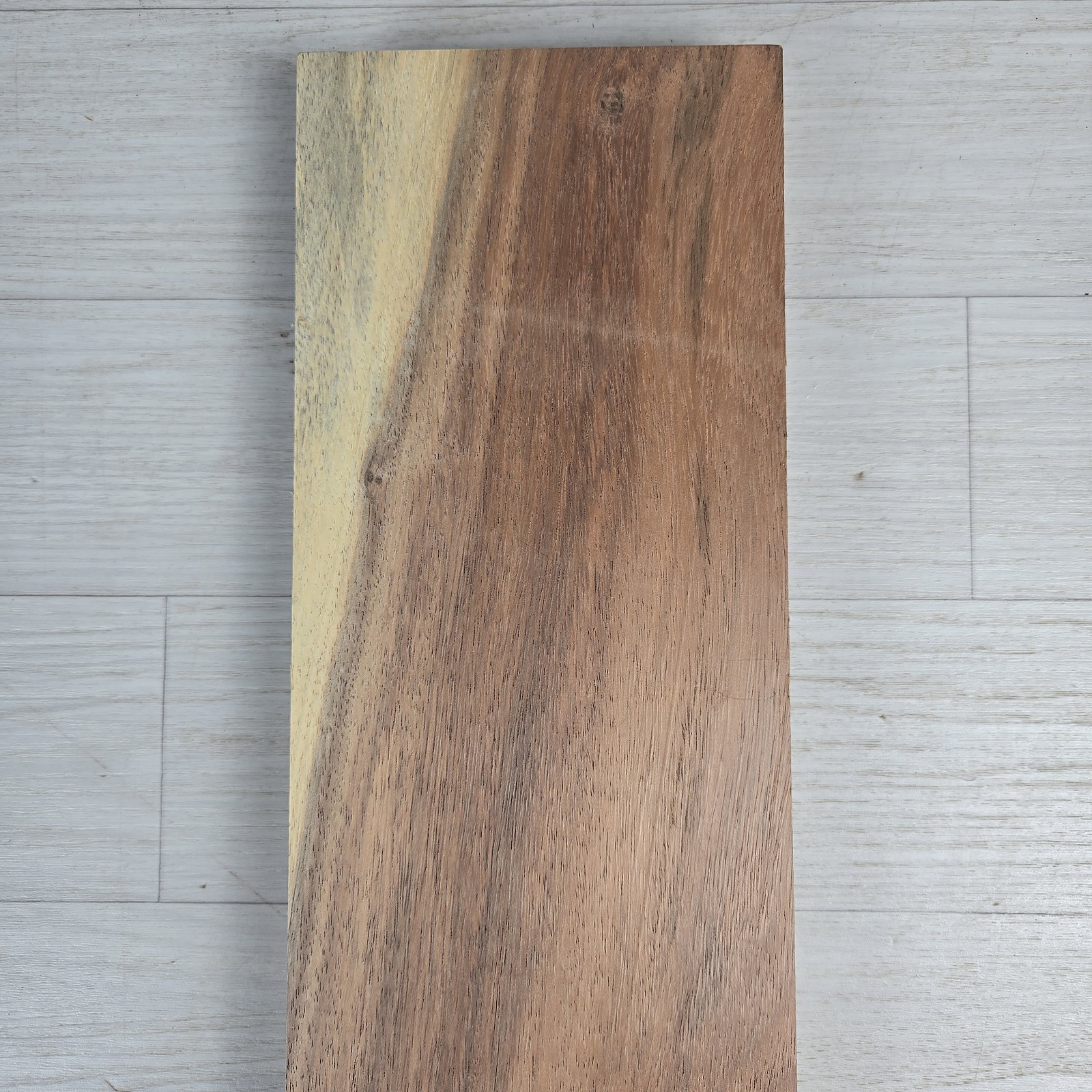
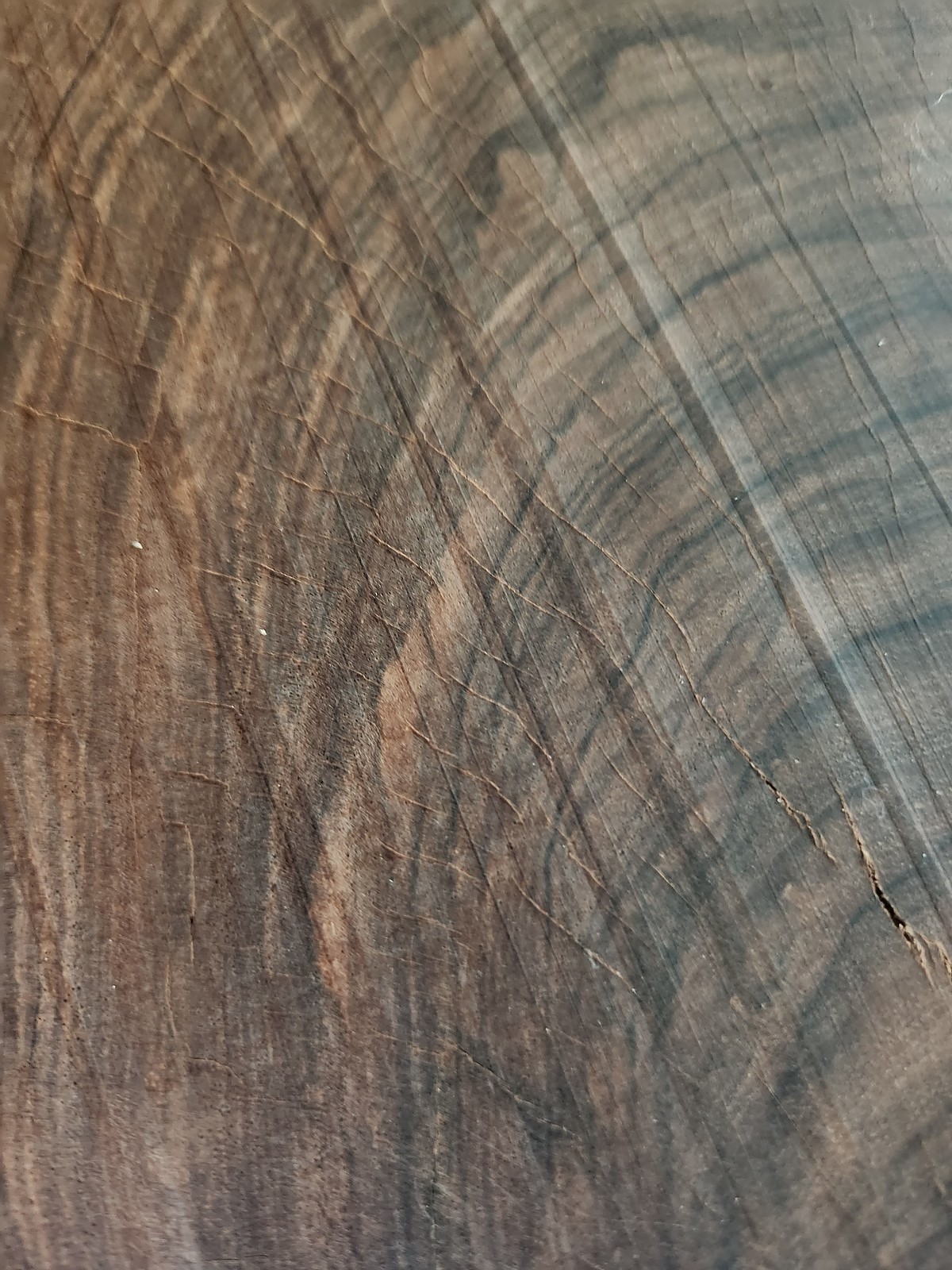
Some boards have a reddish cast. In the board labeled “sapwood section” in its product name, yellowish sapwood runs diagonally across one side of the reddish-brown face. Placed beside the dark boards described above, it is difficult to believe they share the same name. In a 54 mm-thick round slice cut across the log, tightly packed growth rings overlap across the entire end grain.
Look at the Board, Not the Name
The name ironwood conveys little more than an impression of hardness. The color, grain, and shape of the edges vary from board to board. If you want a dark, even face, choose a thick board; if you want to highlight the contrast between heartwood and sapwood, choose a board with divided colors; and if your project calls for using a rough edge as it is, choose the charred board. Each piece of lumber is unique, so in the end, the choice comes down to looking at that specific board in the photograph.