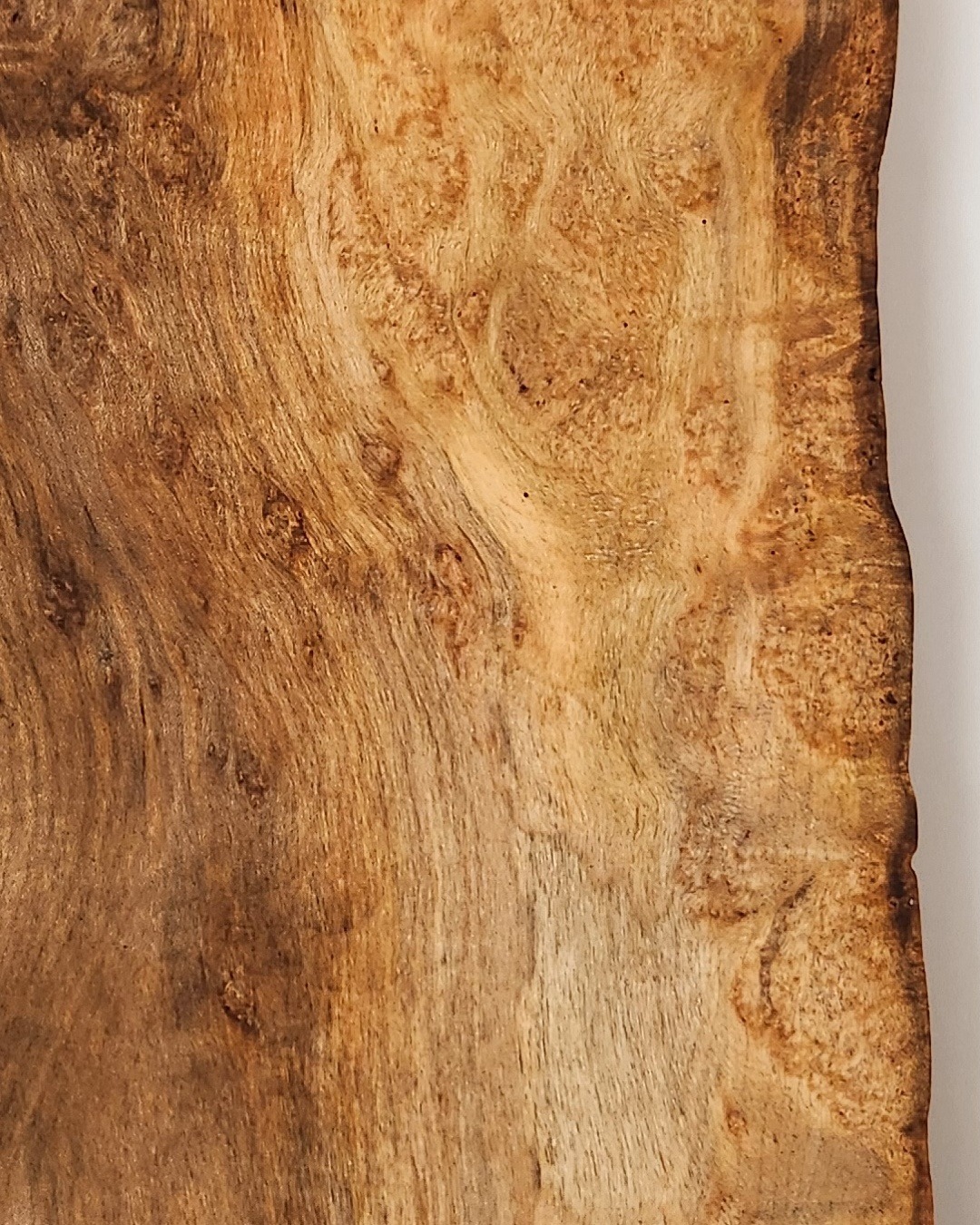
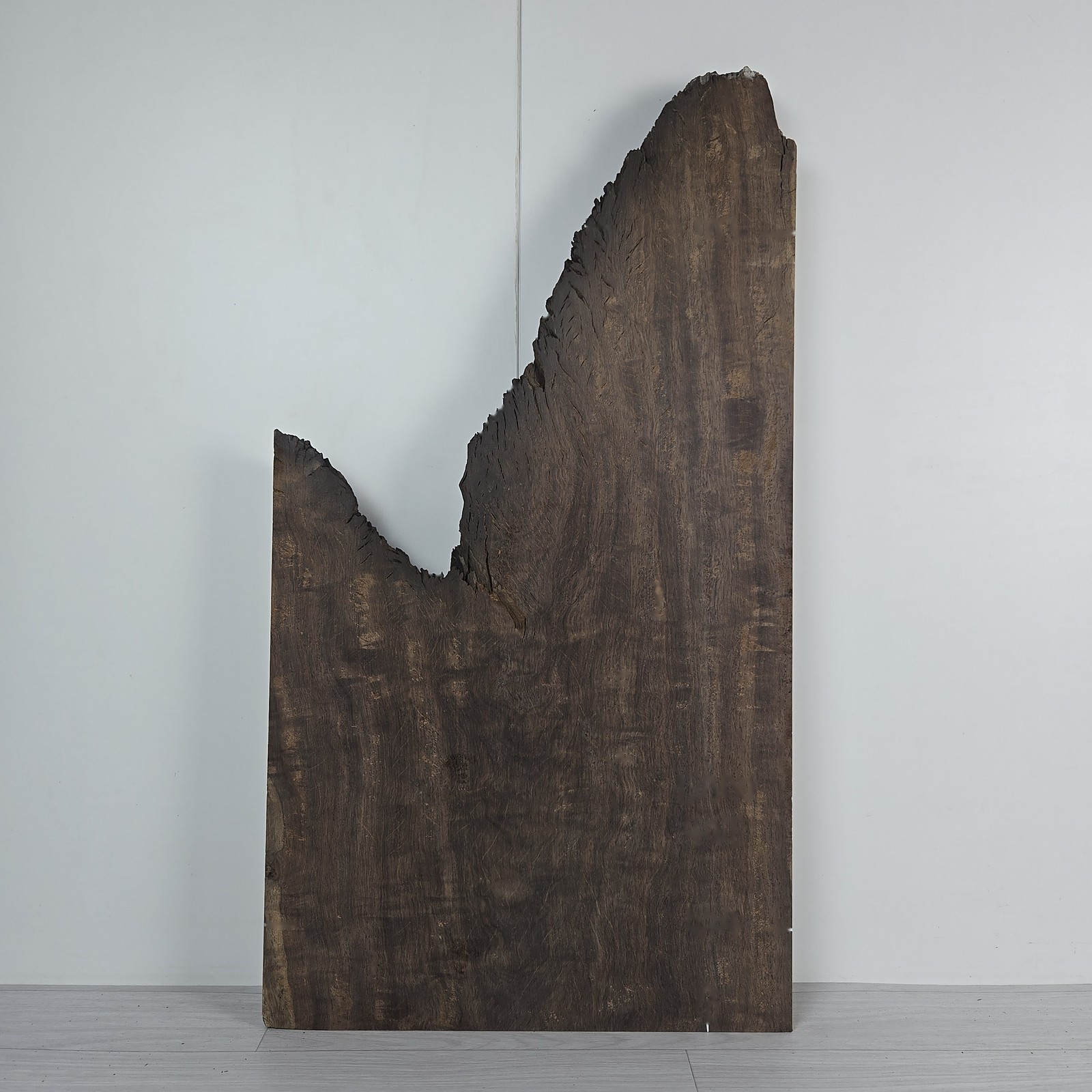
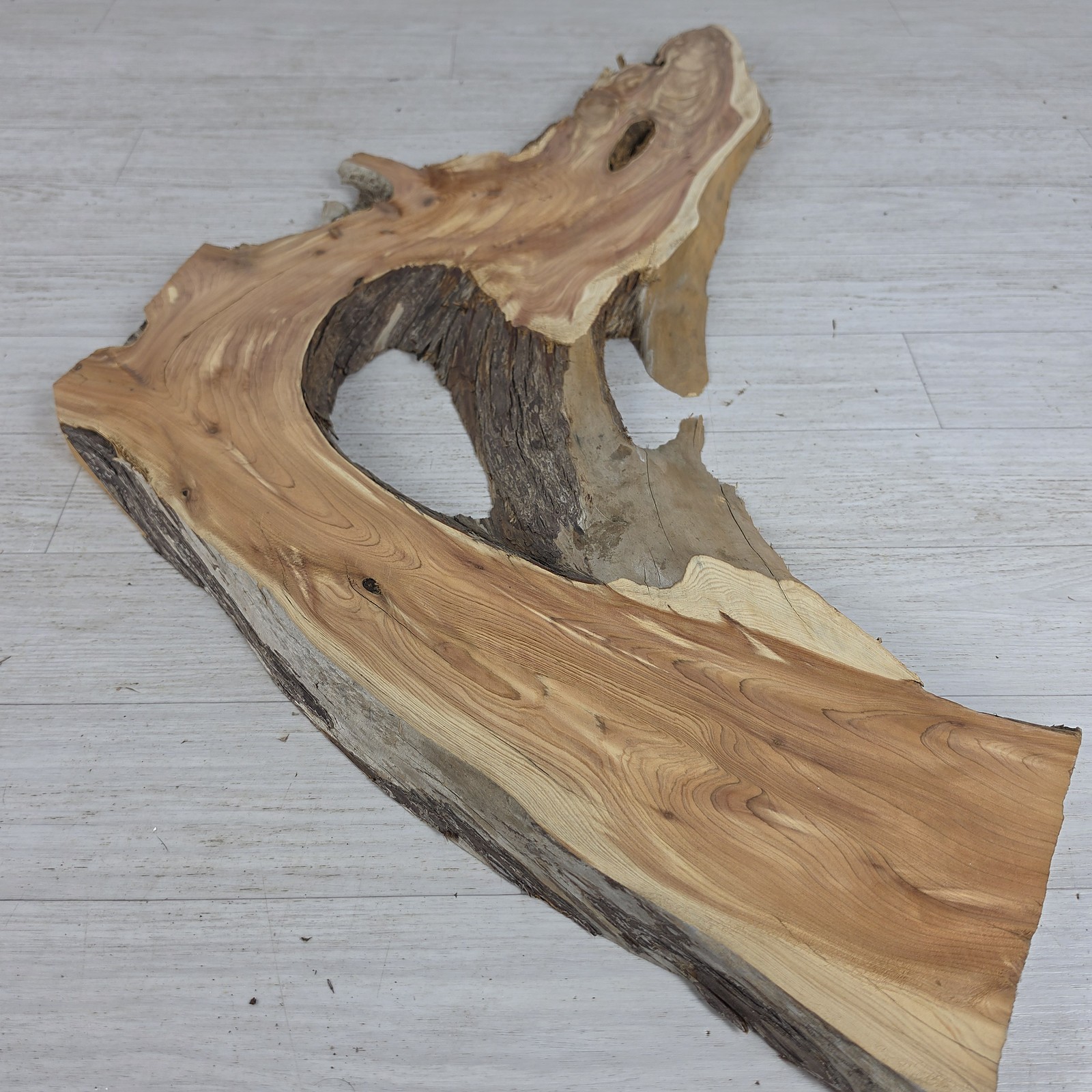
The first question people ask when they want to make a cutting board is which wood is best. The answer is less about one species than about several criteria. A cutting board is a surface touched by knives every day and exposed to water and food. Consider, in turn, whether the wood can withstand that use and whether it is suitable to keep around food.
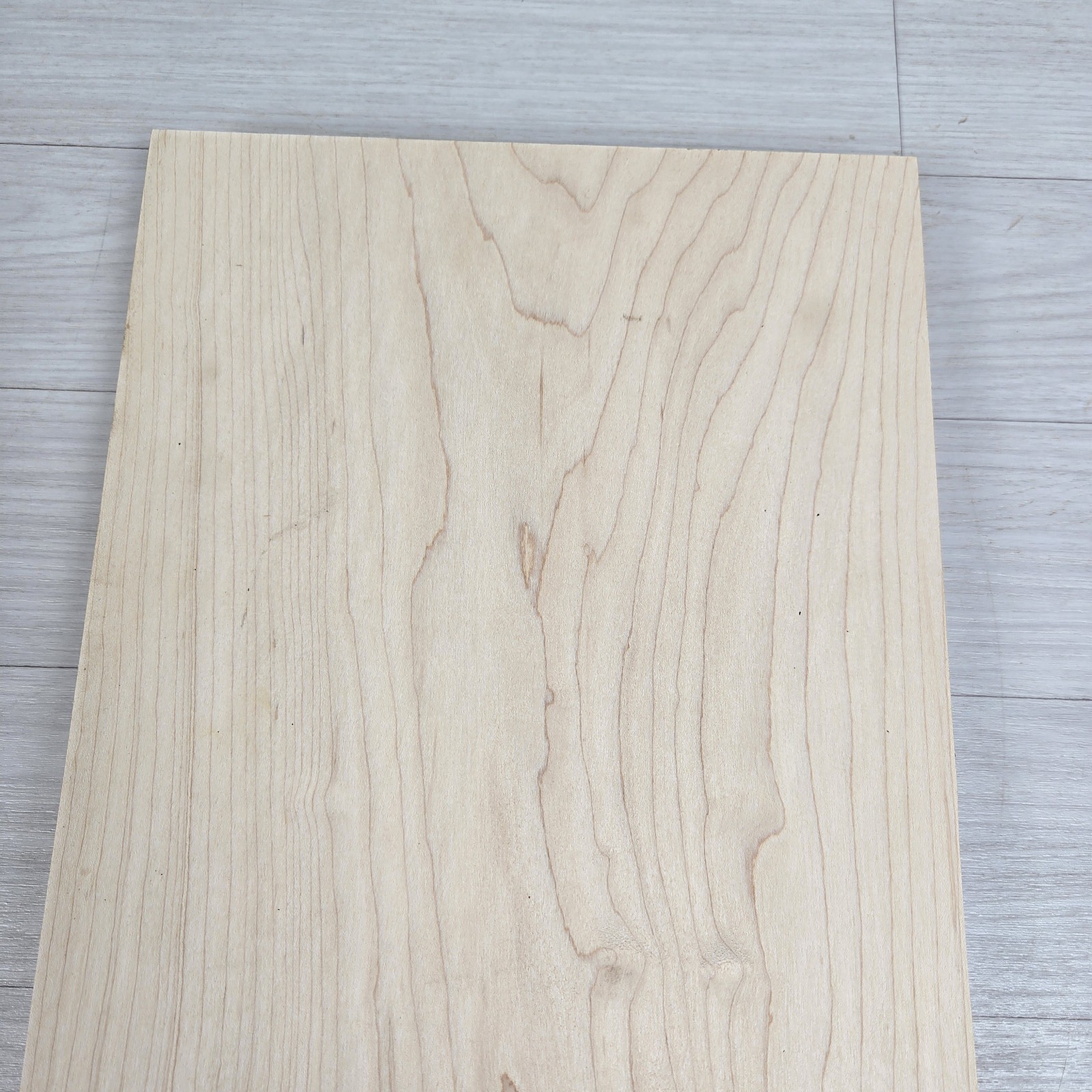
Neither too soft nor too hard
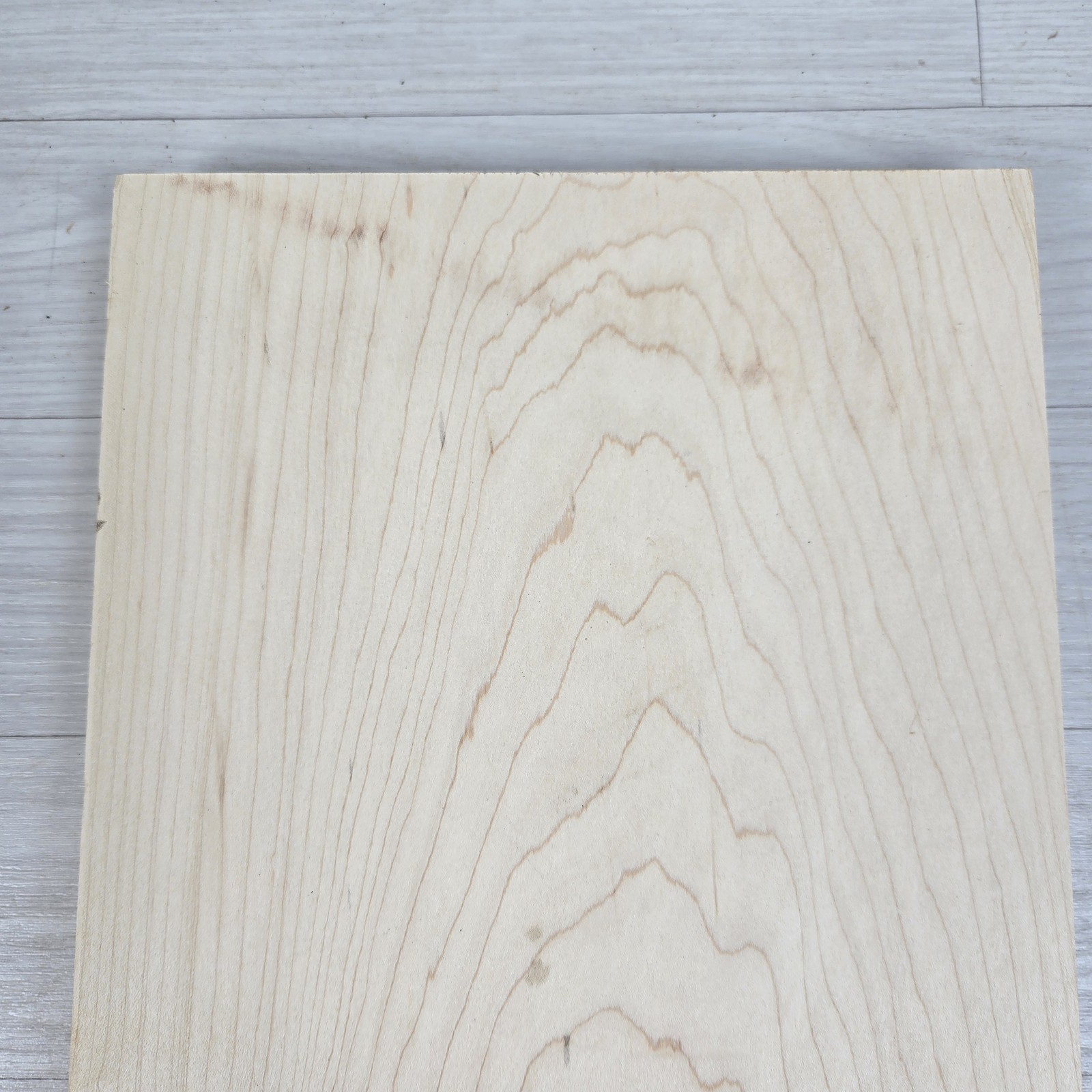
The first consideration is hardness. Wood that is too soft will develop deep knife marks, while wood that is too hard will dull the blade more quickly. Hard maple is a wood that has long been widely used as a balance between the two. Its hardness and tight grain have made it a longstanding choice for cutting boards and butcher blocks. Its light color is another advantage, as it makes the colors of food placed on it easy to see.
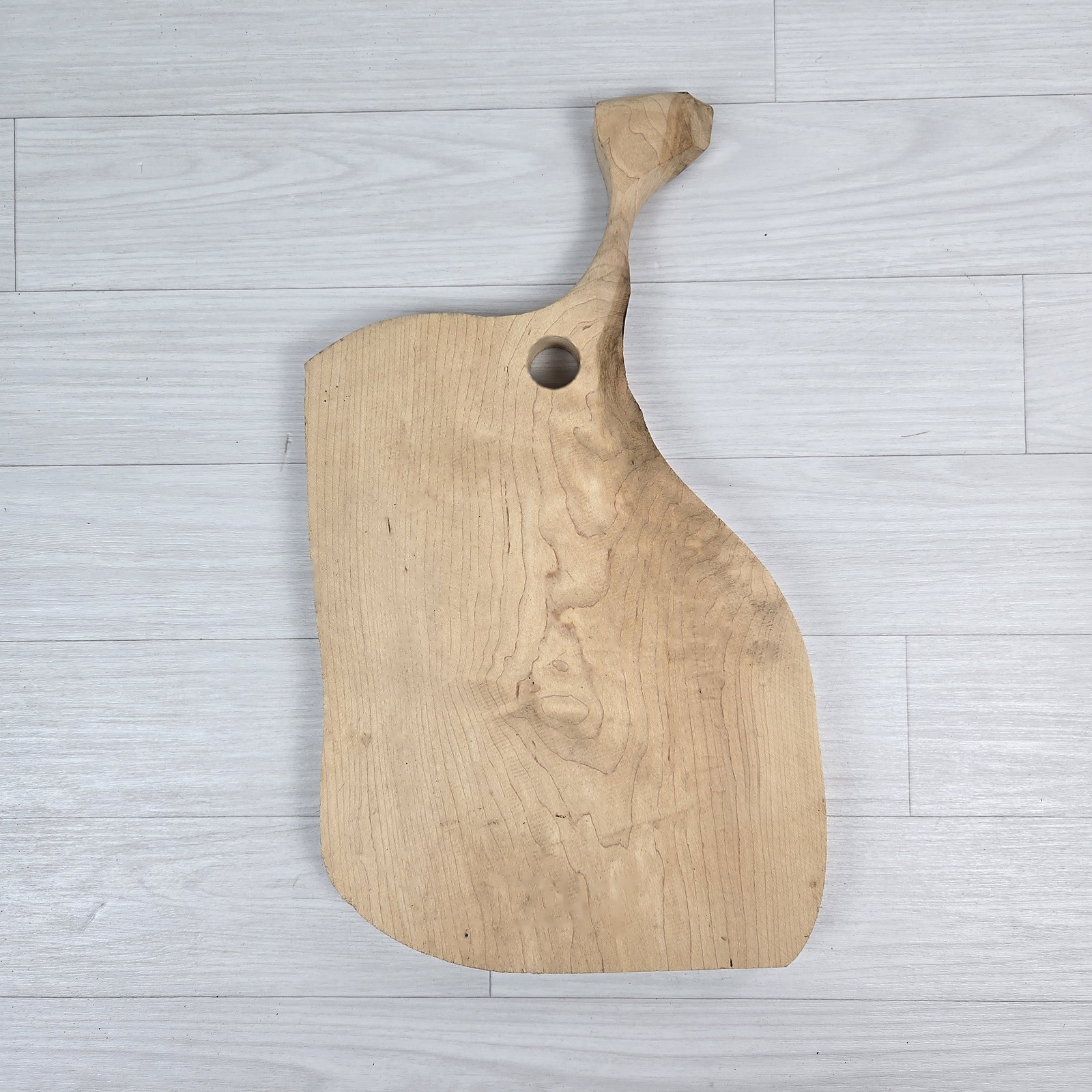
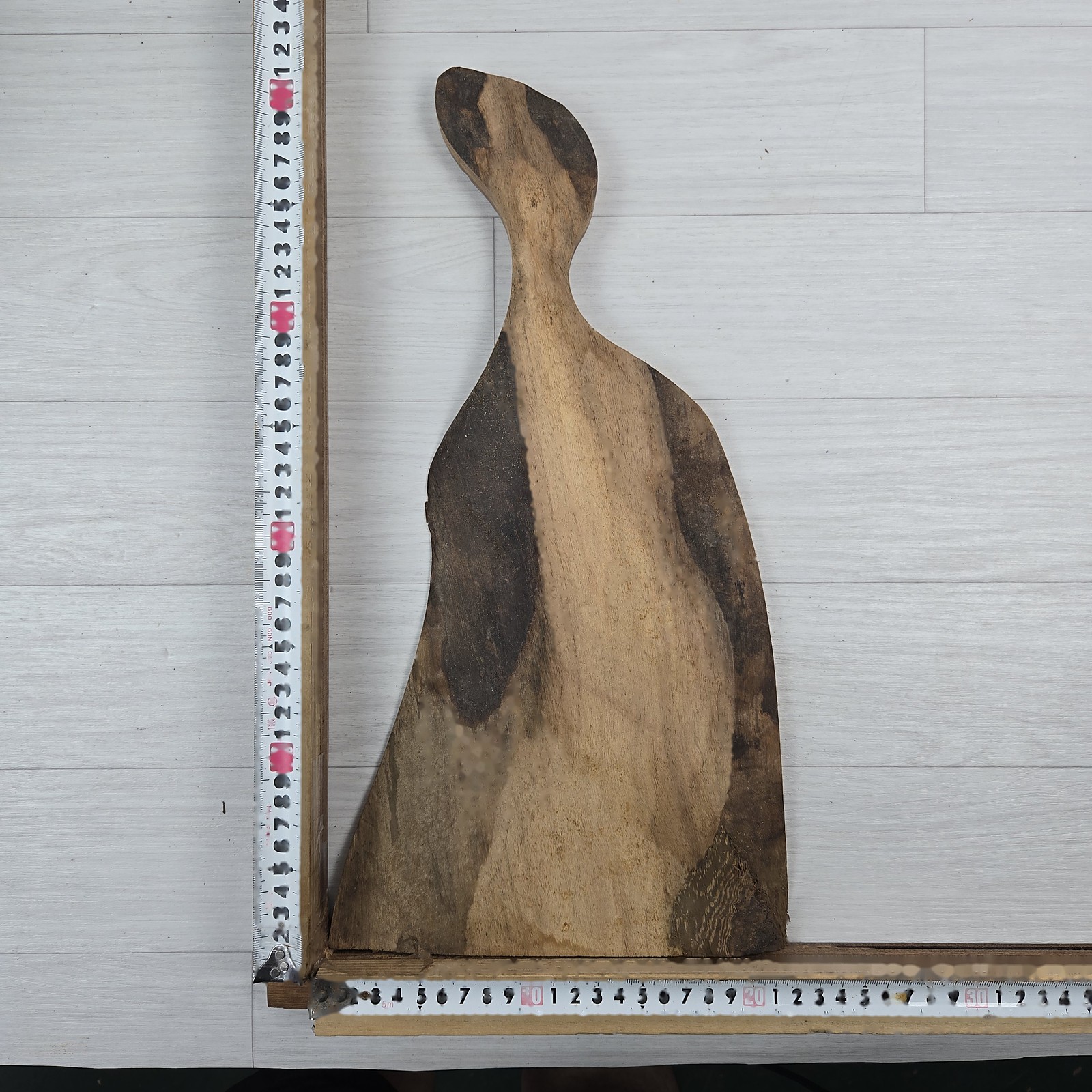
Walnut and cherry are also widely used for cutting boards. Walnut often contains light sapwood alongside dark heartwood, so a single board may show two different colors.
Avoid woods that absorb water
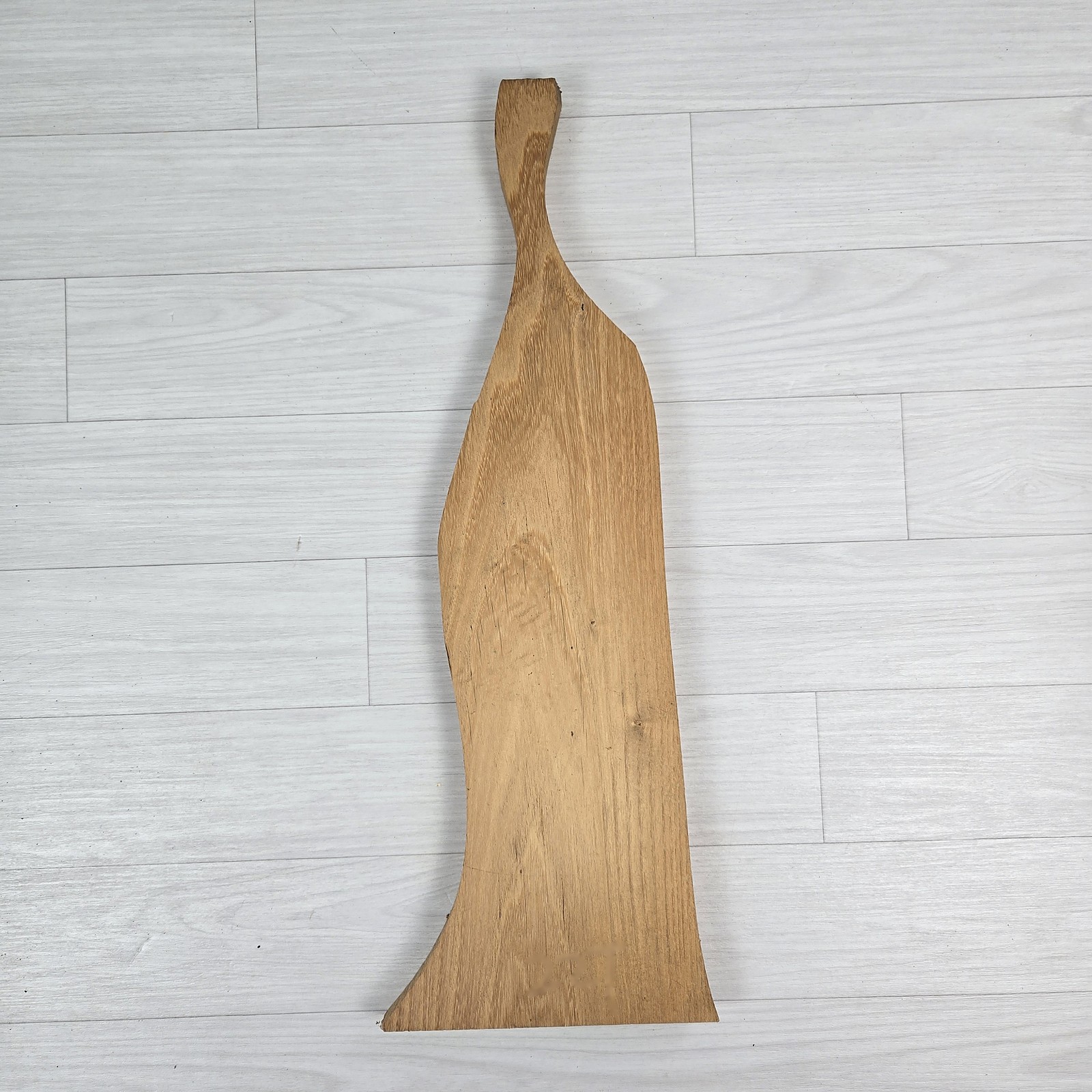
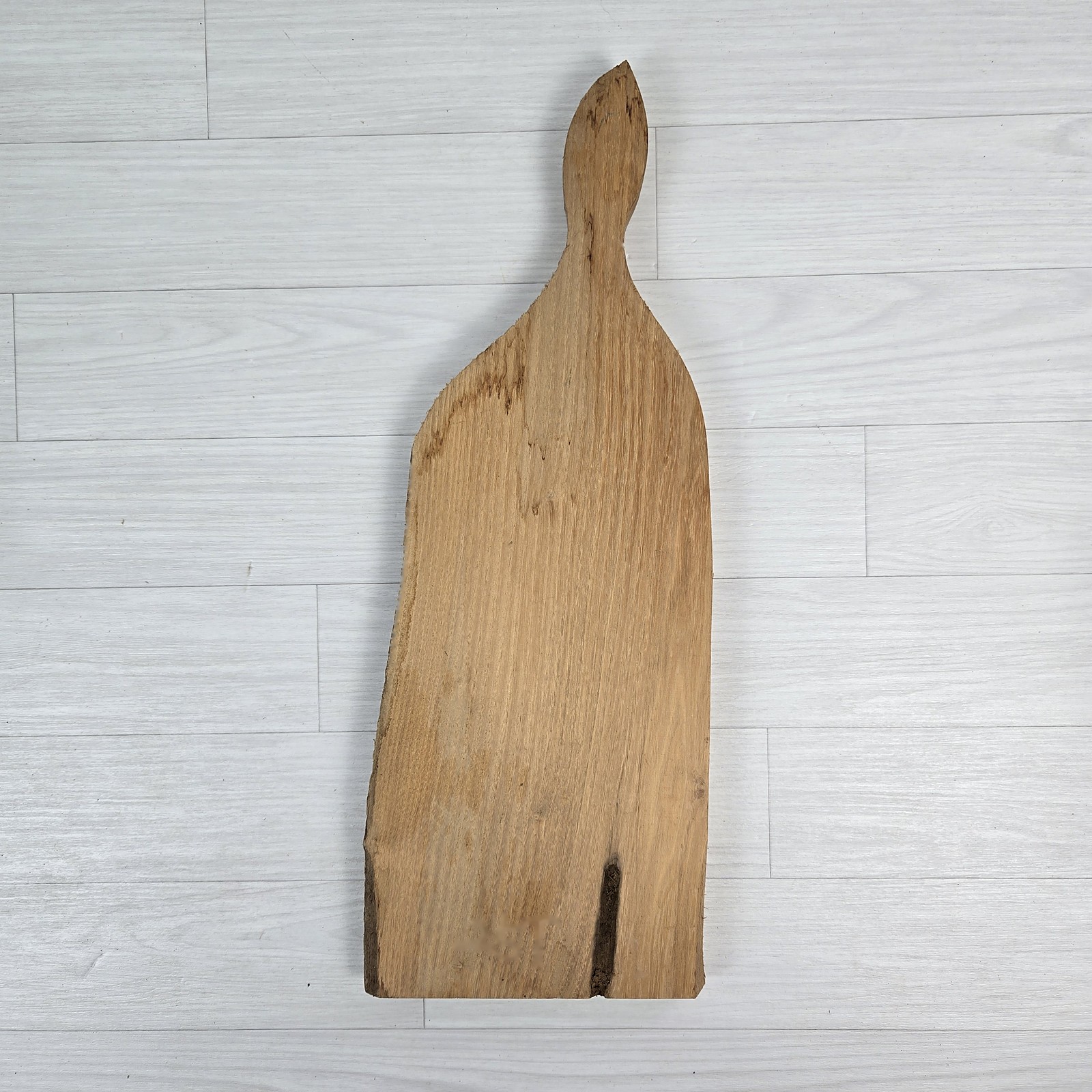
The second consideration is moisture. Cutting boards are repeatedly washed and dried. Woods with empty vessels that allow water to travel easily through the end grain are correspondingly more likely to absorb moisture and food particles. Red oak is a representative example, so it is not commonly used for the cutting surface of a board.
Woods known to cause strong skin irritation
The third consideration is the human body. Woods such as cocobolo, which are known to readily cause skin irritation, are best avoided for cutting-board surfaces that come into direct contact with food. If a wood has beautiful color and figure, it can instead be used where it will not touch food, such as for handles or decorative elements.
Oil instead of varnish
The fourth consideration is the finish. Film-forming finishes such as urethane or varnish can be scratched and peeled away by knife work. Rather than applying a film, cutting boards are finished by thinly saturating them with an oil that is safe for contact with food. The reasons for choosing mineral oil and the order for applying it are covered in the earlier article on mineral oil.
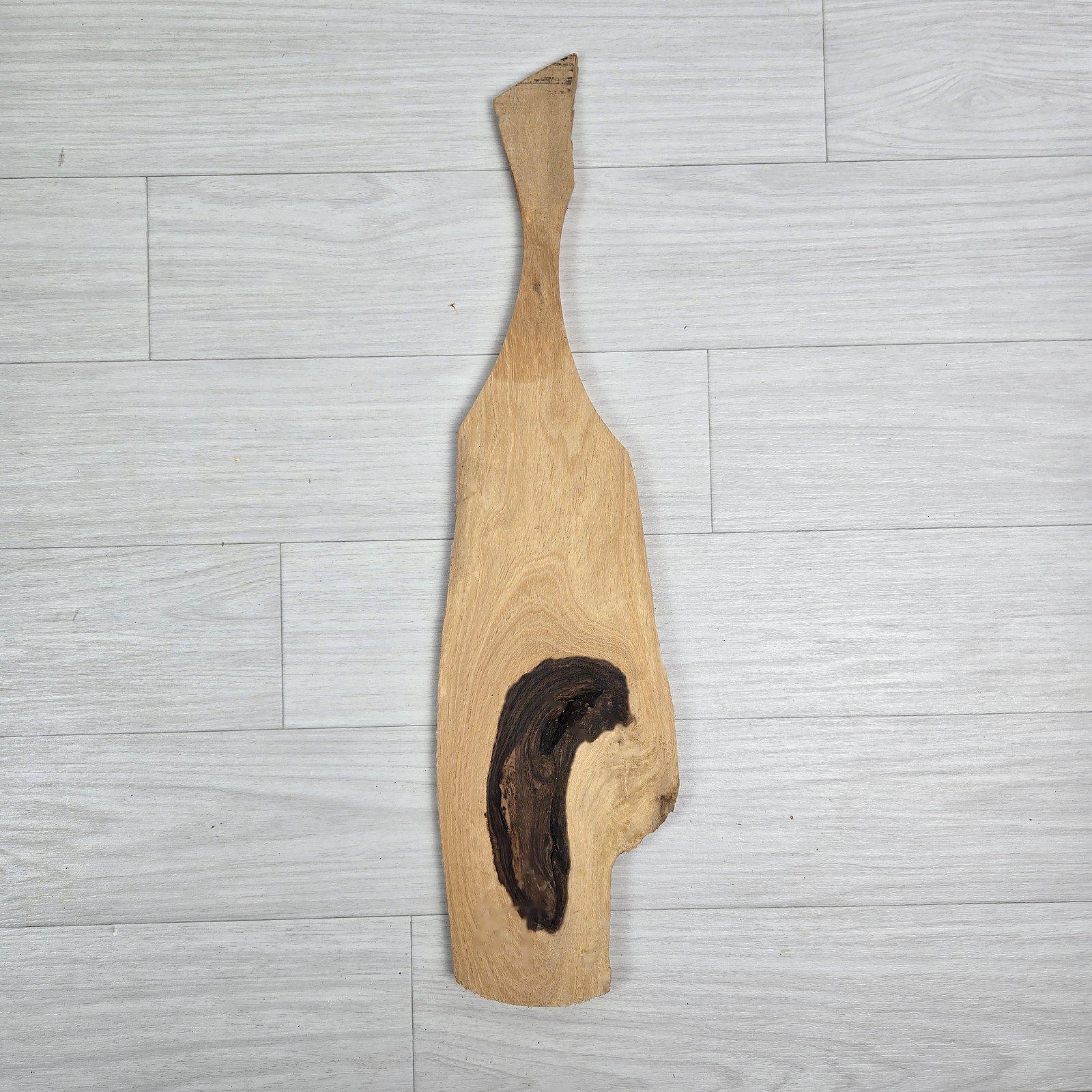
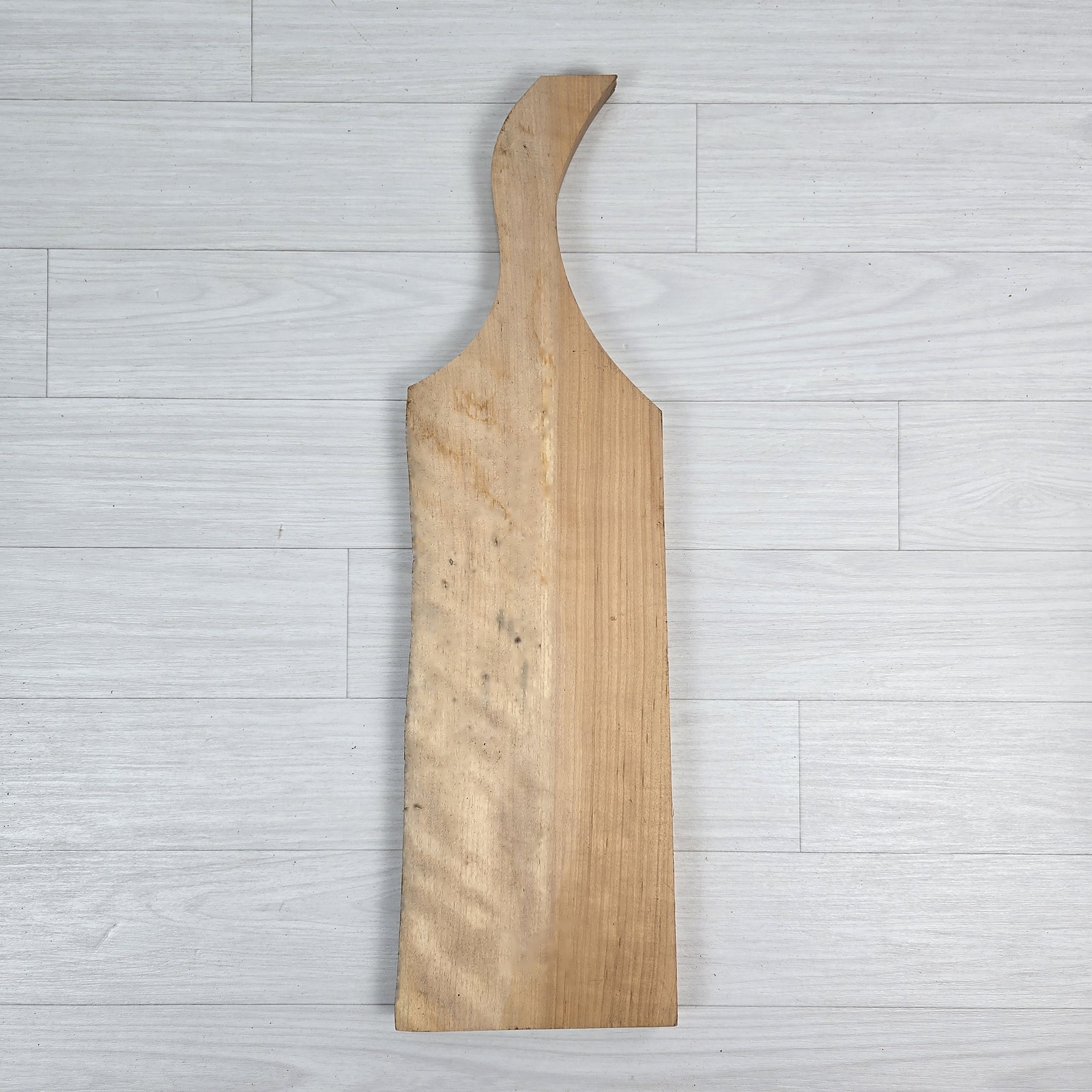
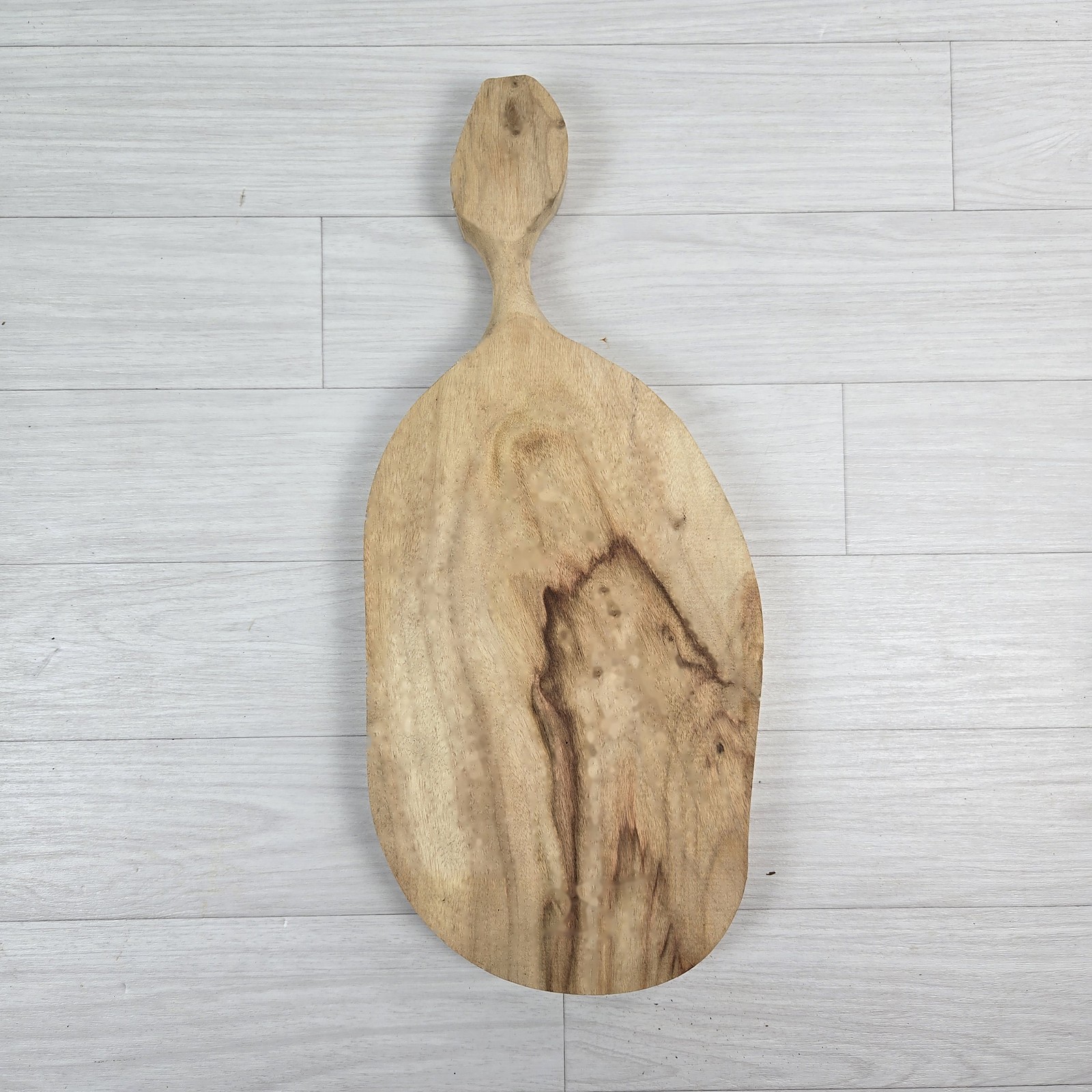
Even when partially processed cutting-board stock has been cut into the same handle shape, changing the species produces completely different colors and grain patterns. Choose wood that is moderately hard and does not readily absorb water, avoid woods known to cause strong skin irritation, and finish with oil instead of varnish. Choosing wood for a cutting board begins with these four considerations.
You can continue reading about assembling pieces to make a cutting board in “End-Grain Cutting Boards: Fitting the Pieces Together and Reading the Surface,” and about oil for cutting boards in “Oil for Cutting Boards: Why Choose Mineral Oil?”