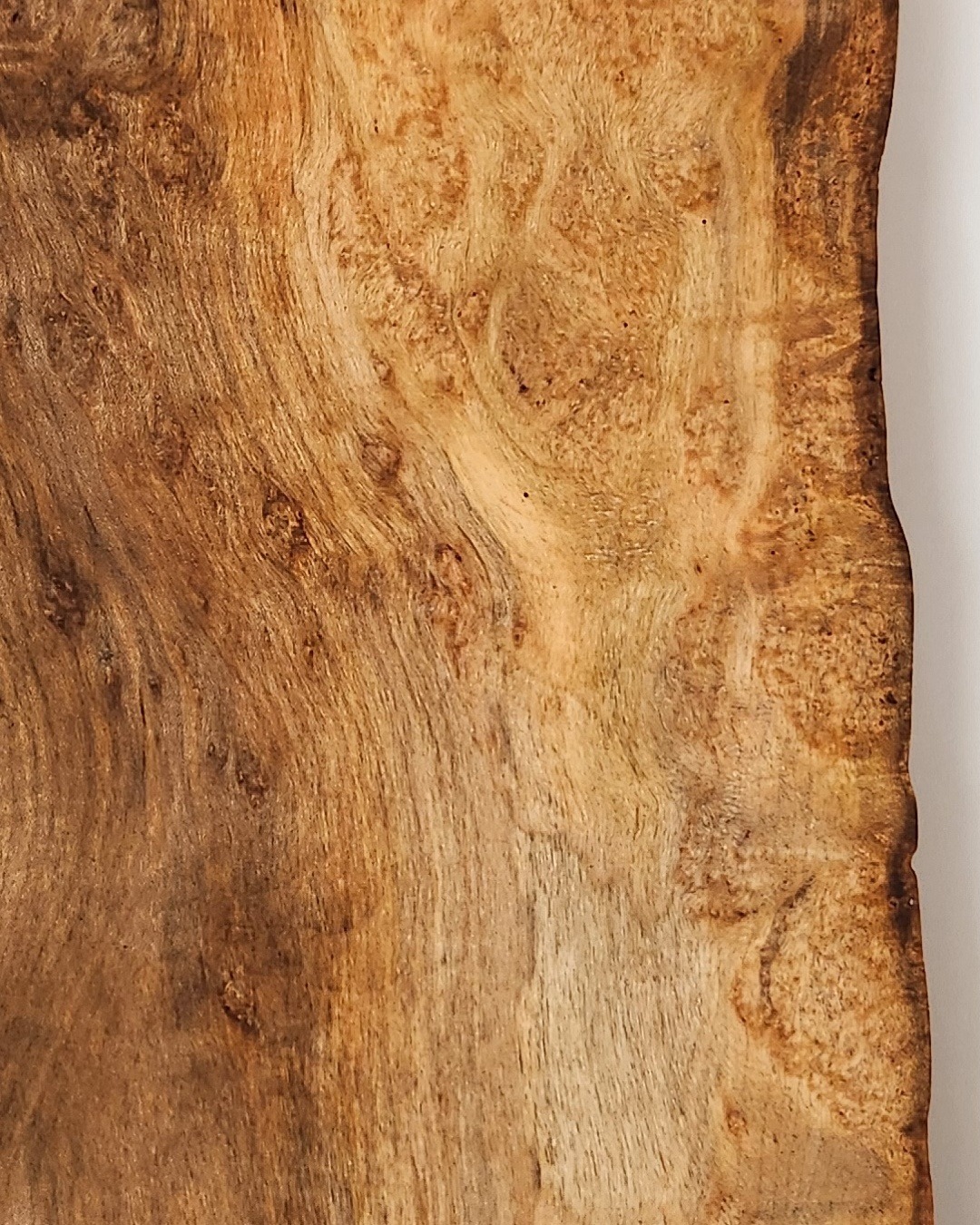
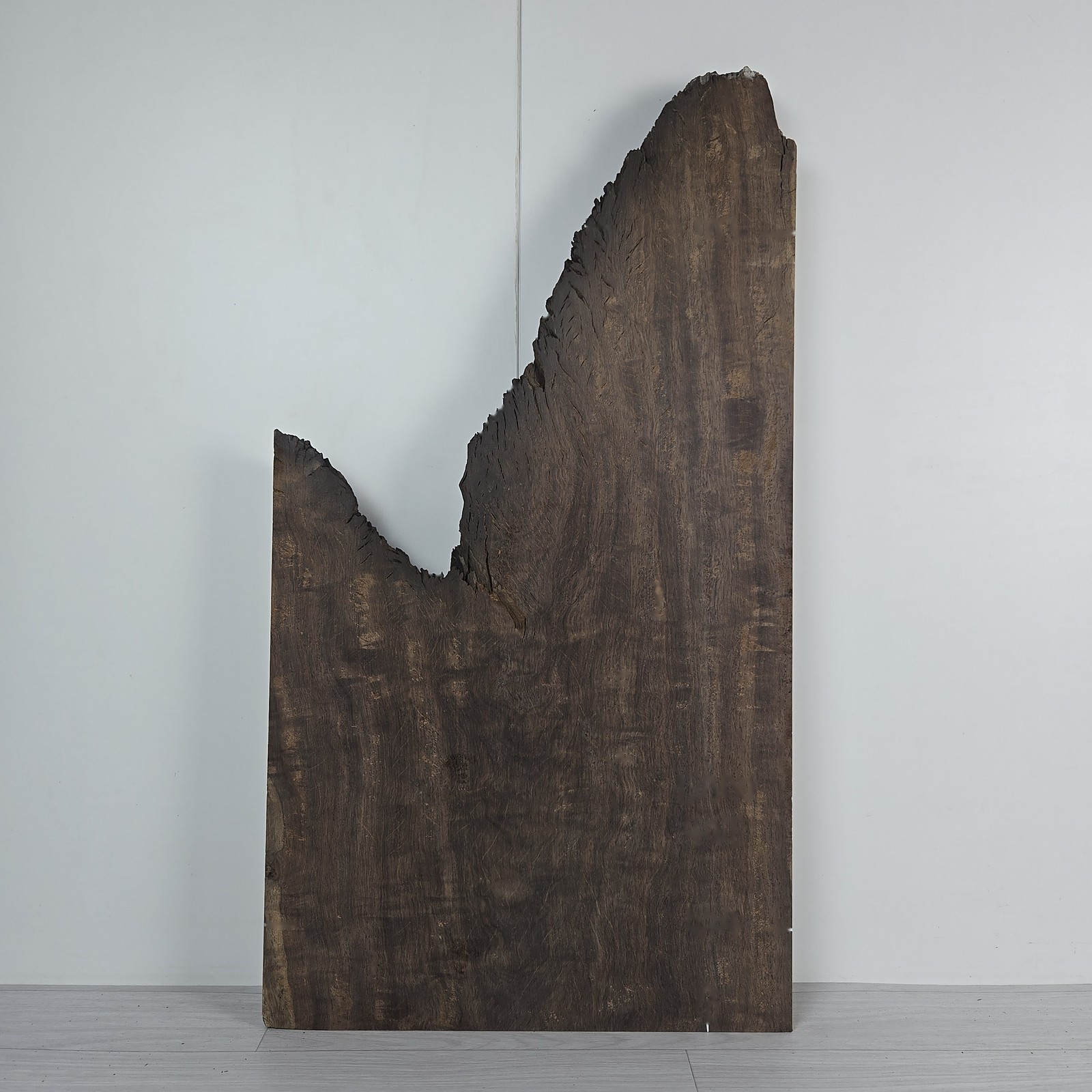
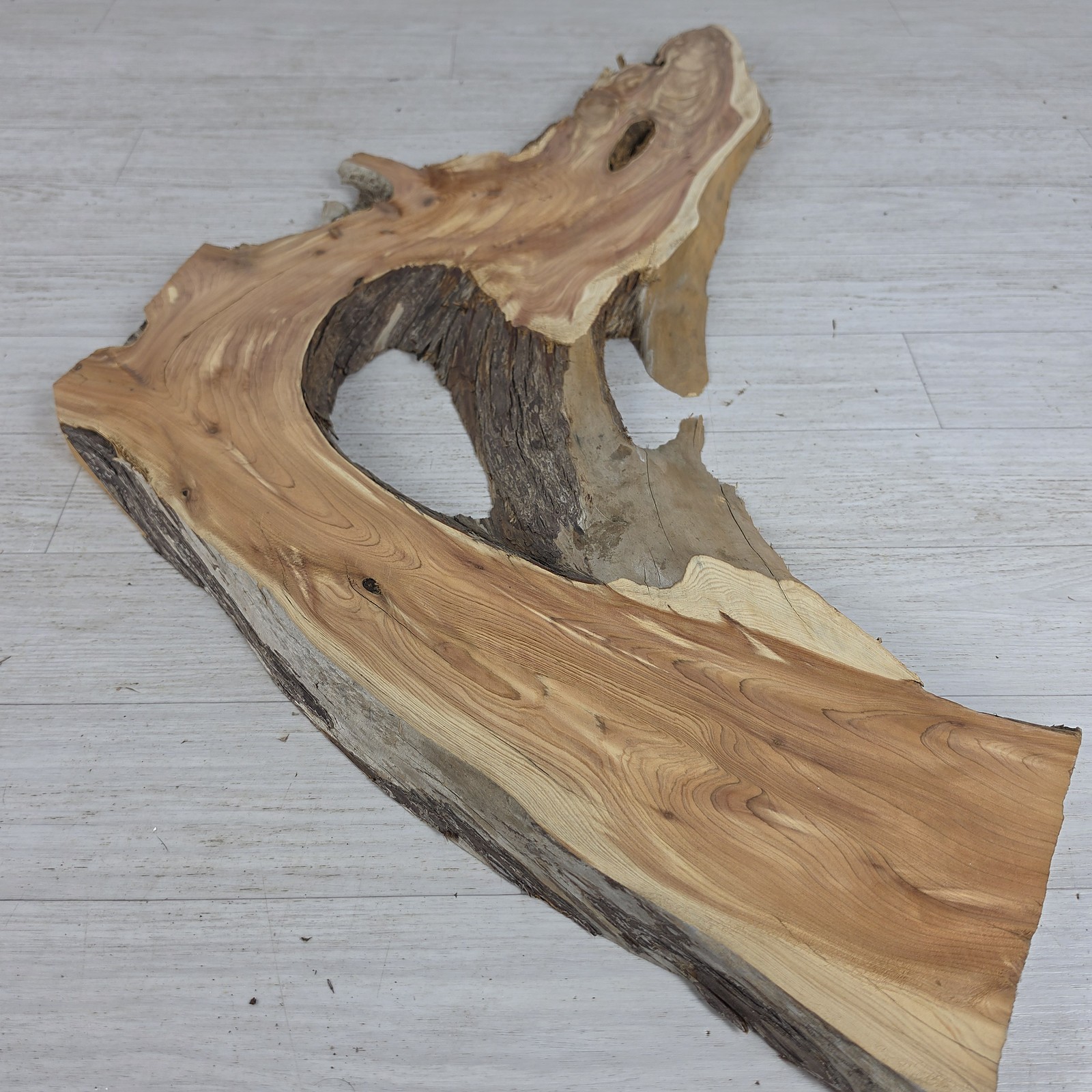
A pen blank is a small square stick cut just large enough to turn one pen. Depending on the species, Woodway pen blanks are cut to squares measuring 17–20 mm, with lengths of approximately 130 mm. When this single stick is turned round on a wood lathe, it can become either a ballpoint pen or a fountain pen. Which one it becomes is determined not by the wood, but by the metal components used with it—the so-called pen kit.
The Character of a Species in a Small Stick
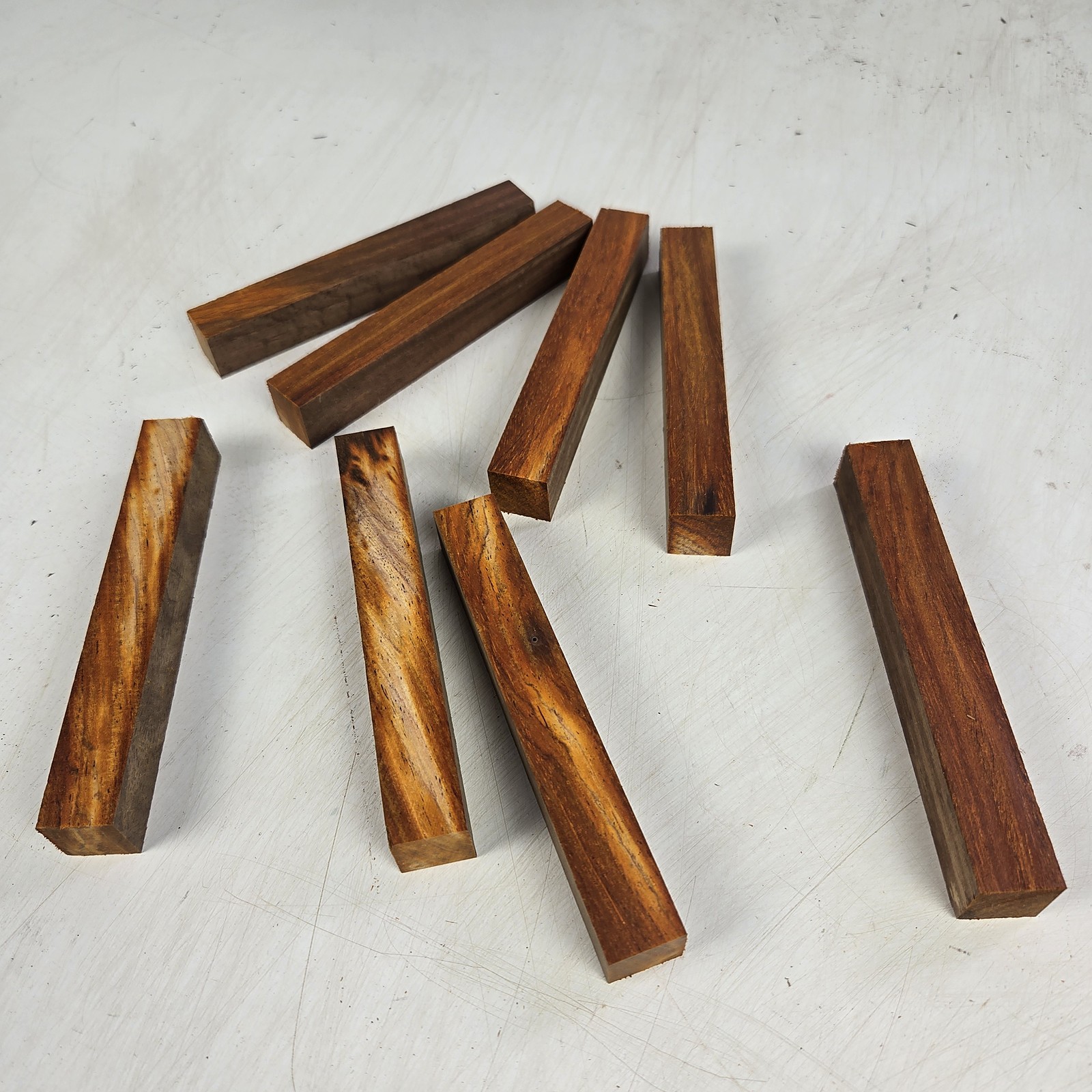
Because a pen is something held in the hand and viewed up close, color and grain are the first things to consider when choosing a blank. Some cocobolo blanks are selected for their solid reddish-brown color, while others have swirling bright orange grain, so each piece has a different pattern even within the same species. Wenge has a dark brown background crossed by closely spaced black stripes.
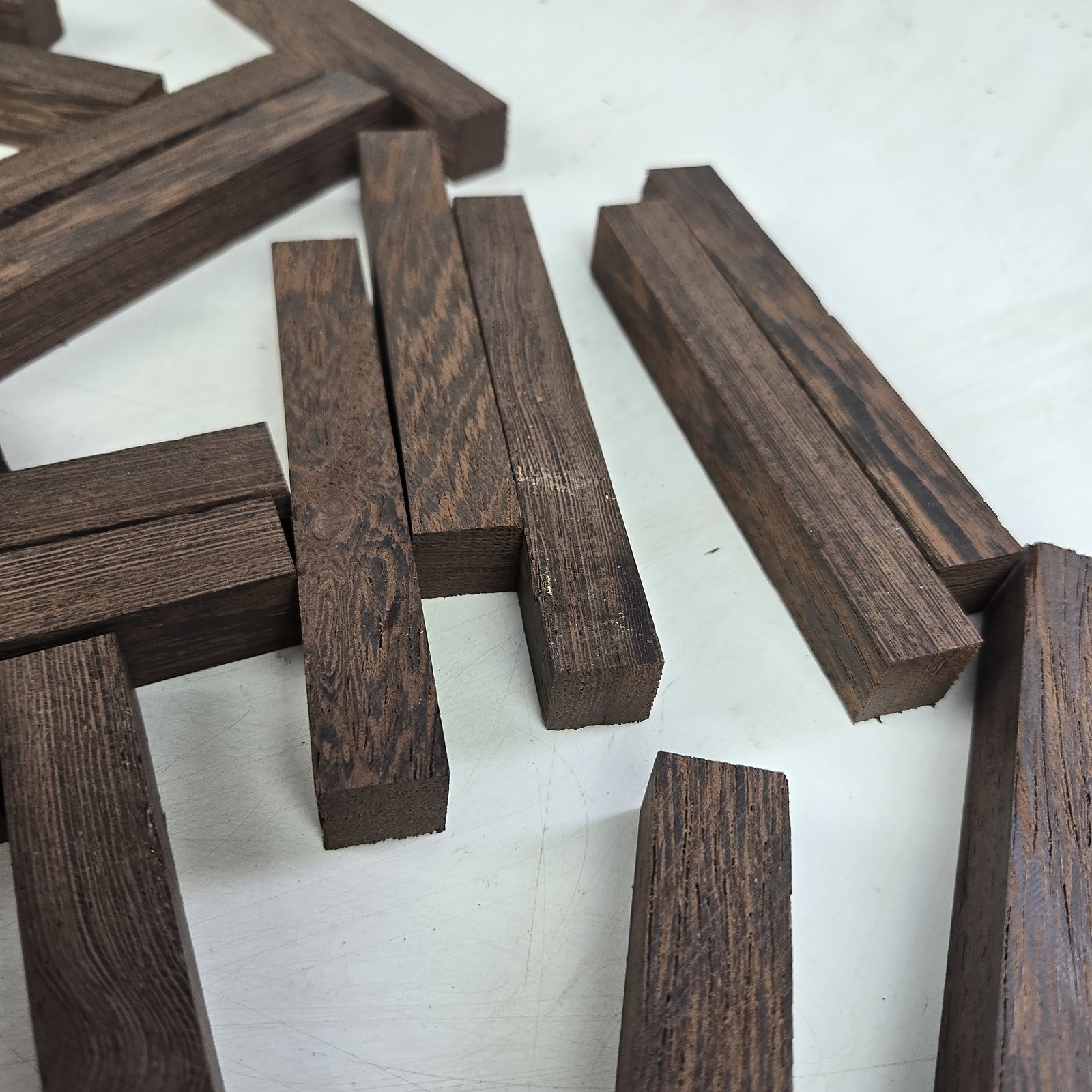
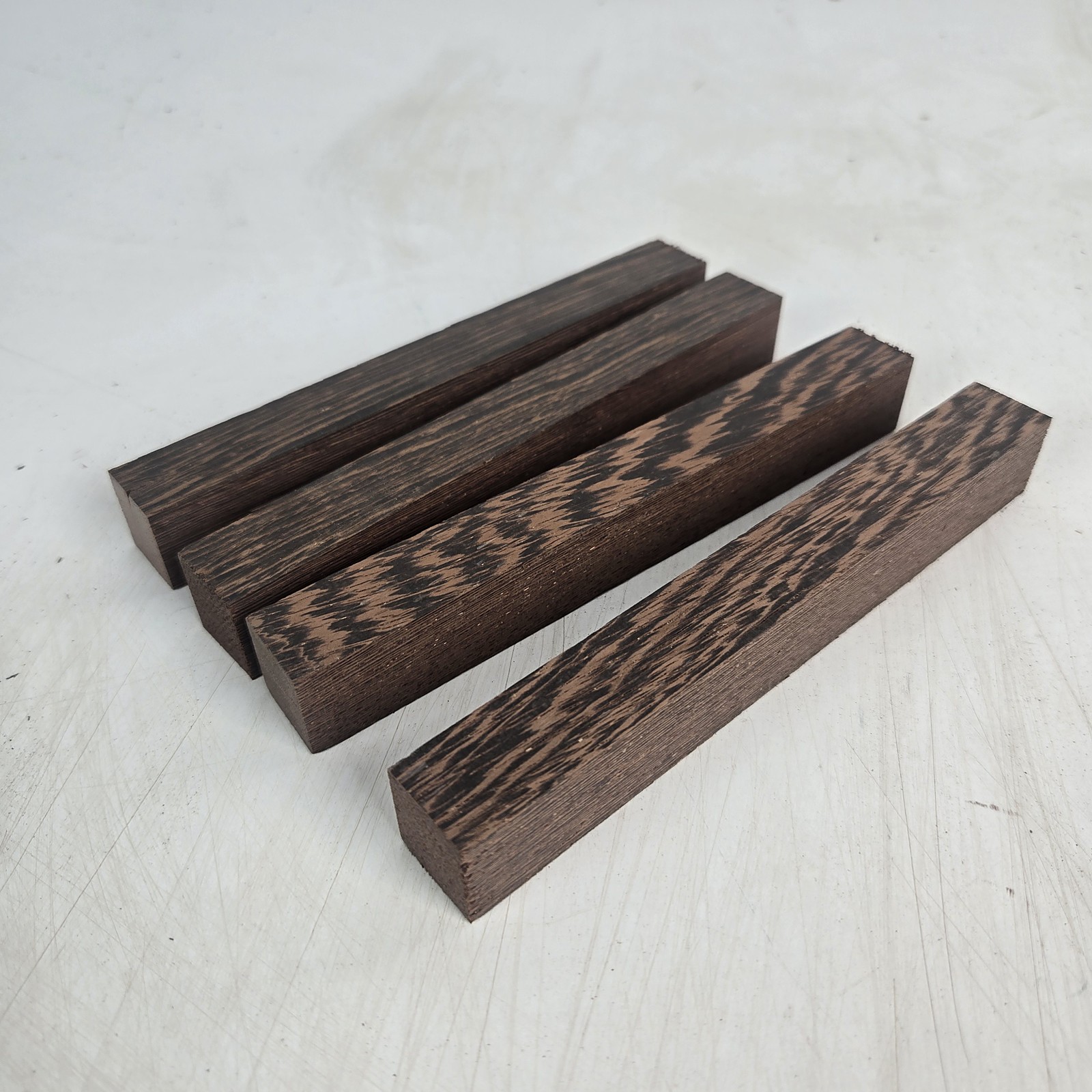
With striped wood, it is helpful to imagine what it will look like after turning. Stripes that run straight through the square stick become bands wrapping around the pen once it is turned round, while grain that wavers in a zigzag flows around the circumference like waves.
Light colors, green tones, and purple hues
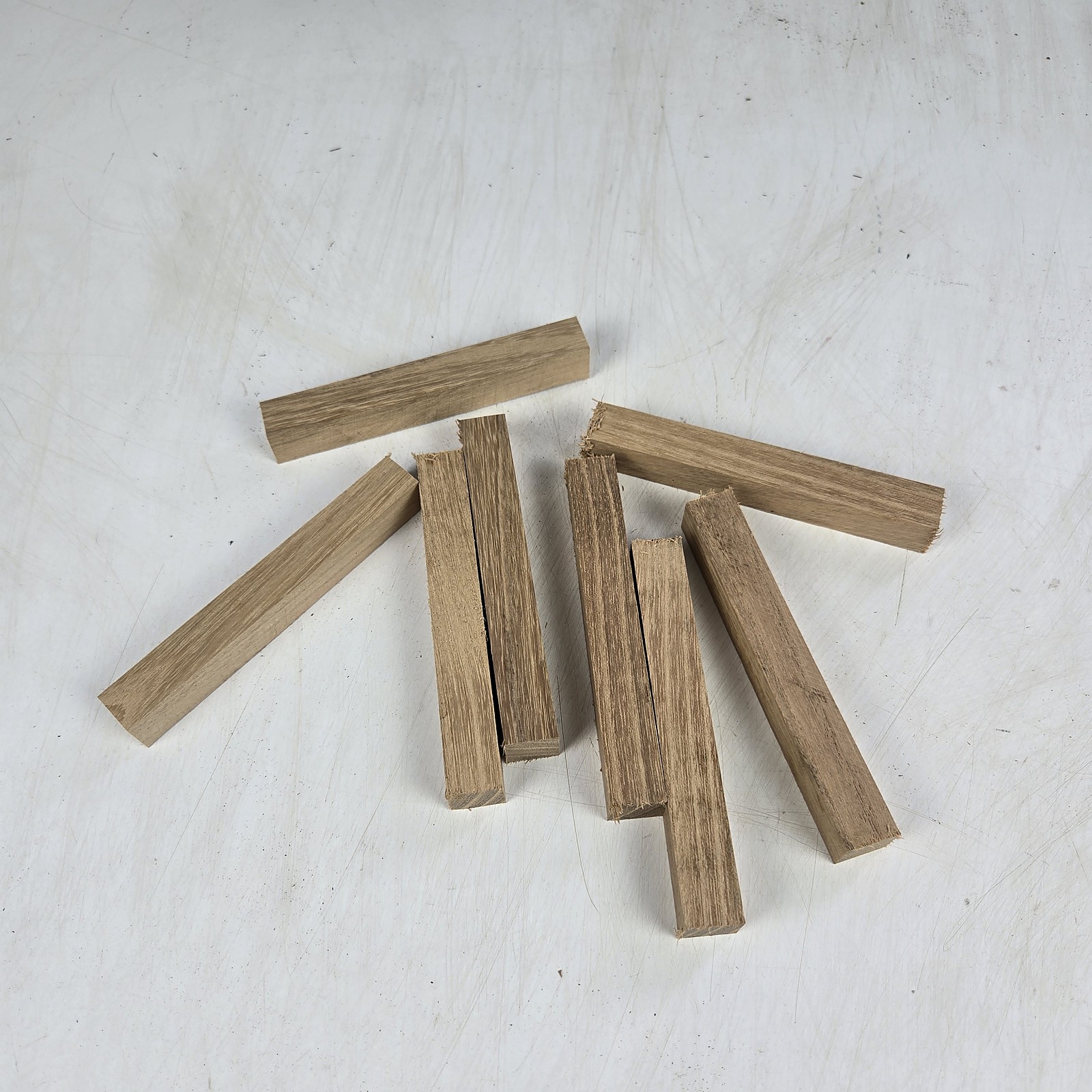
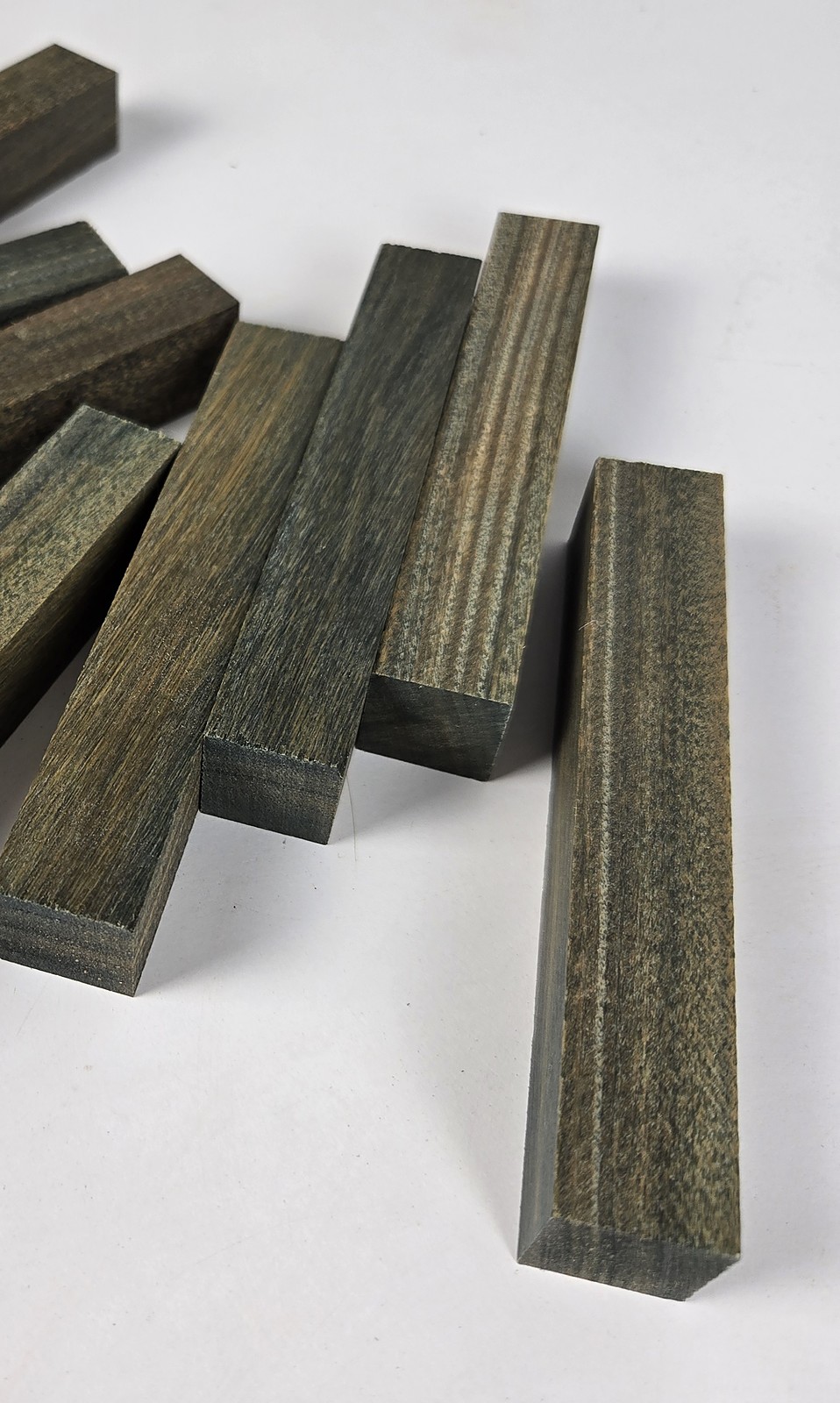
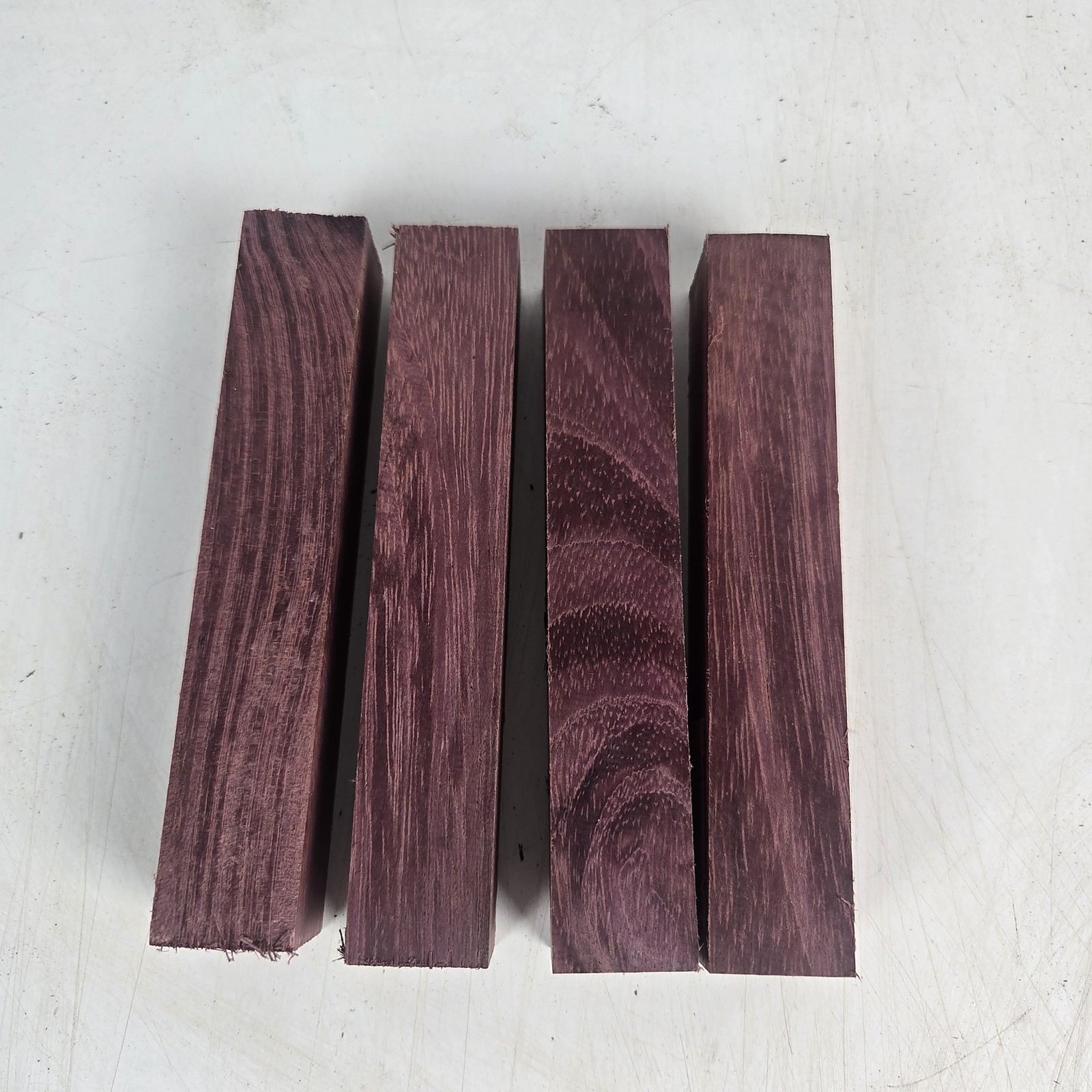
Dark wood is not the only kind that can become a pen. Acacia pen blanks are light yellowish brown, with fine grain running straight to the ends, creating a simple, understated pen distinct from darker woods. Lignum vitae is a dark brown with a greenish cast, with some pieces marked by light stripes and others evenly dark. Purpleheart is, as its name suggests, a wood with a purple hue.
How to Cut and Use a Long Square Stick
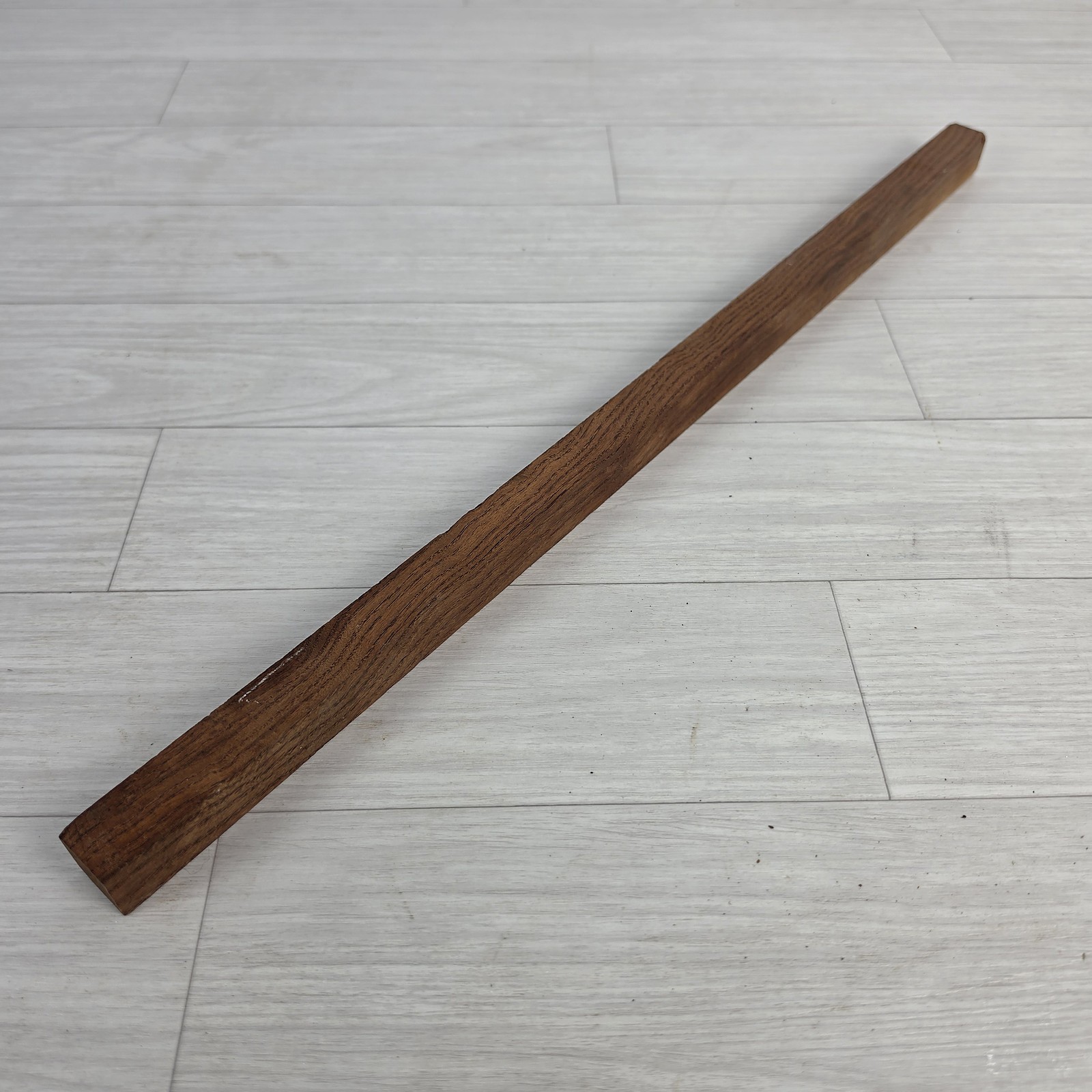
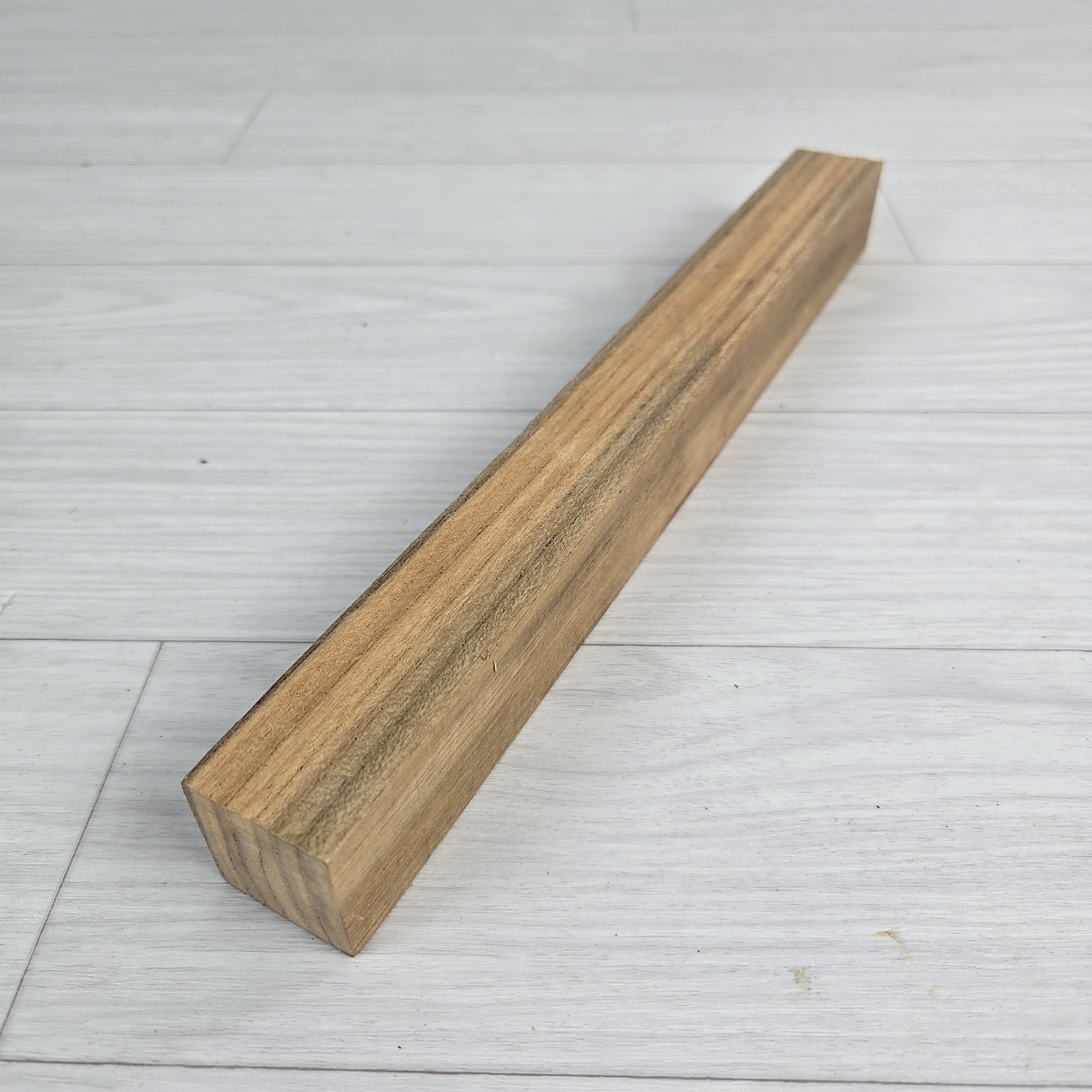
Material does not have to be cut specifically as pen blanks to be used. A 565 mm-long Korean Toona square stick (20 × 22 mm) can be cut into several pieces to match the length of a pen kit, allowing multiple pens to be made from the same piece of wood. A 30 mm-square reclaimed teak stick is thick enough for turning two or three pens or a small handle.
From Square Stick to Pen
A wooden pen generally goes through five steps. First, cut the blank to match the length of the kit’s brass tube. Drill a hole through the center, glue in the tube, and then flatten and trim the ends so they align with the ends of the tube. Mount it on a wood lathe and turn it round, then sand and finish it. Finally, press the metal components into place, and it becomes a pen.
The tube length and hole size vary from kit to kit. The first step is to open the instructions before cutting.
For woods with a high oil content, such as cocobolo, it is best to wipe the oil from inside the hole before gluing in the tube. A finished wooden pen is something you will reach for often, so it belongs on a desk rather than in a drawer. Set it on a wooden pen stand, and the grain of the pen and the stand will come together in one place.
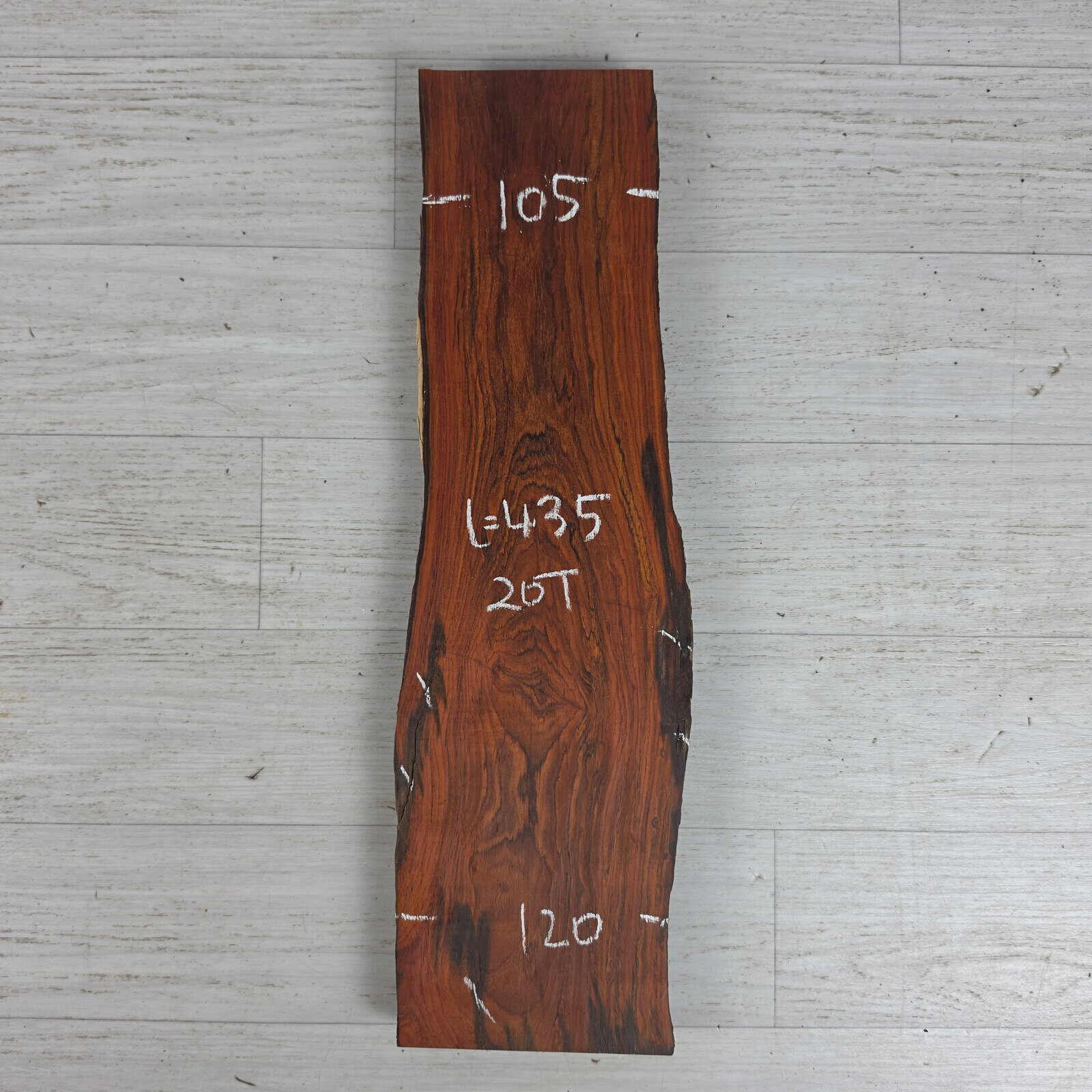 CocoboloExotic hardwoodsRed-brown, orange and black figure
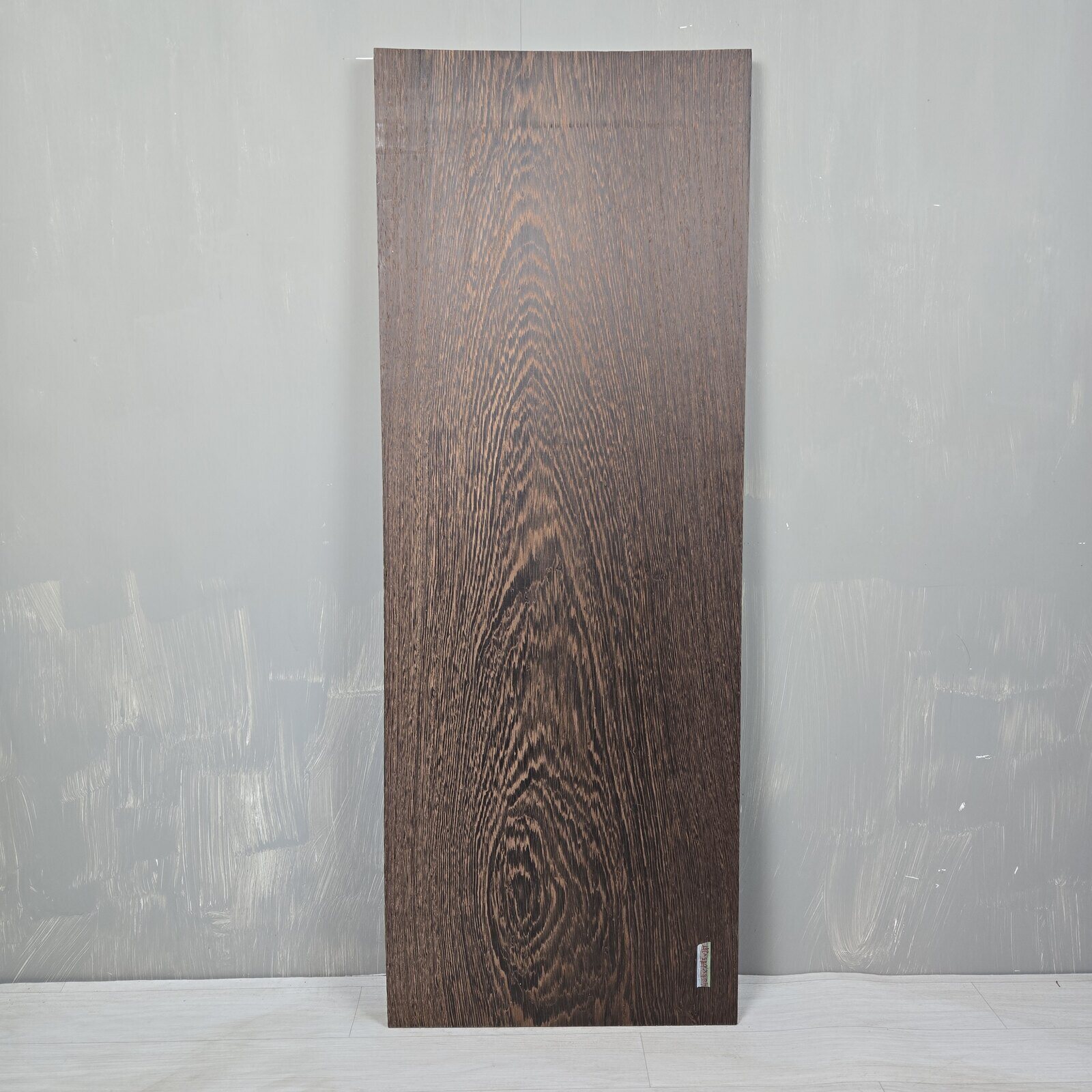 WengeExotic hardwoodsDark brown with black stripes
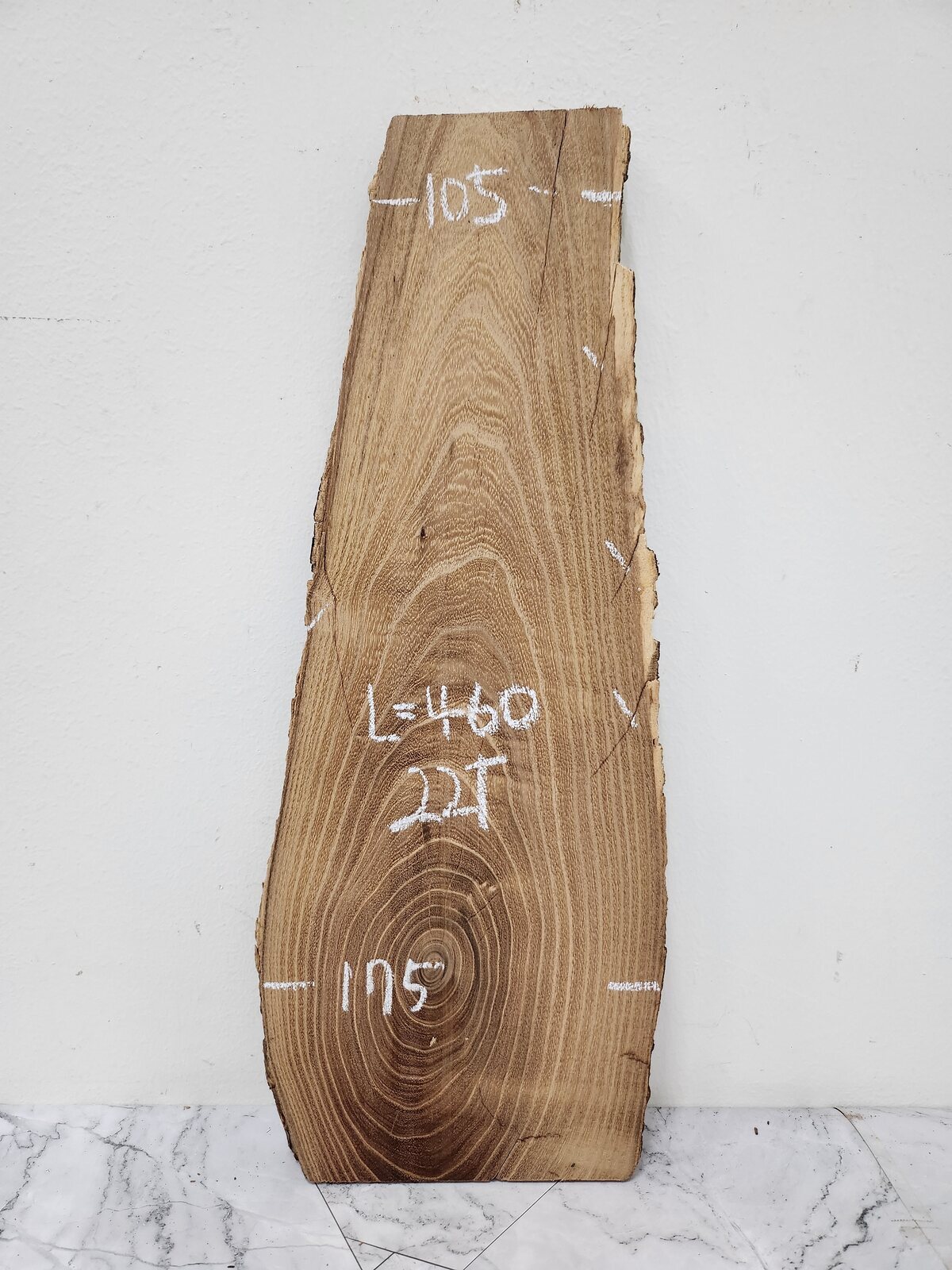 AcaciaKorean woodsGolden-brown to brown
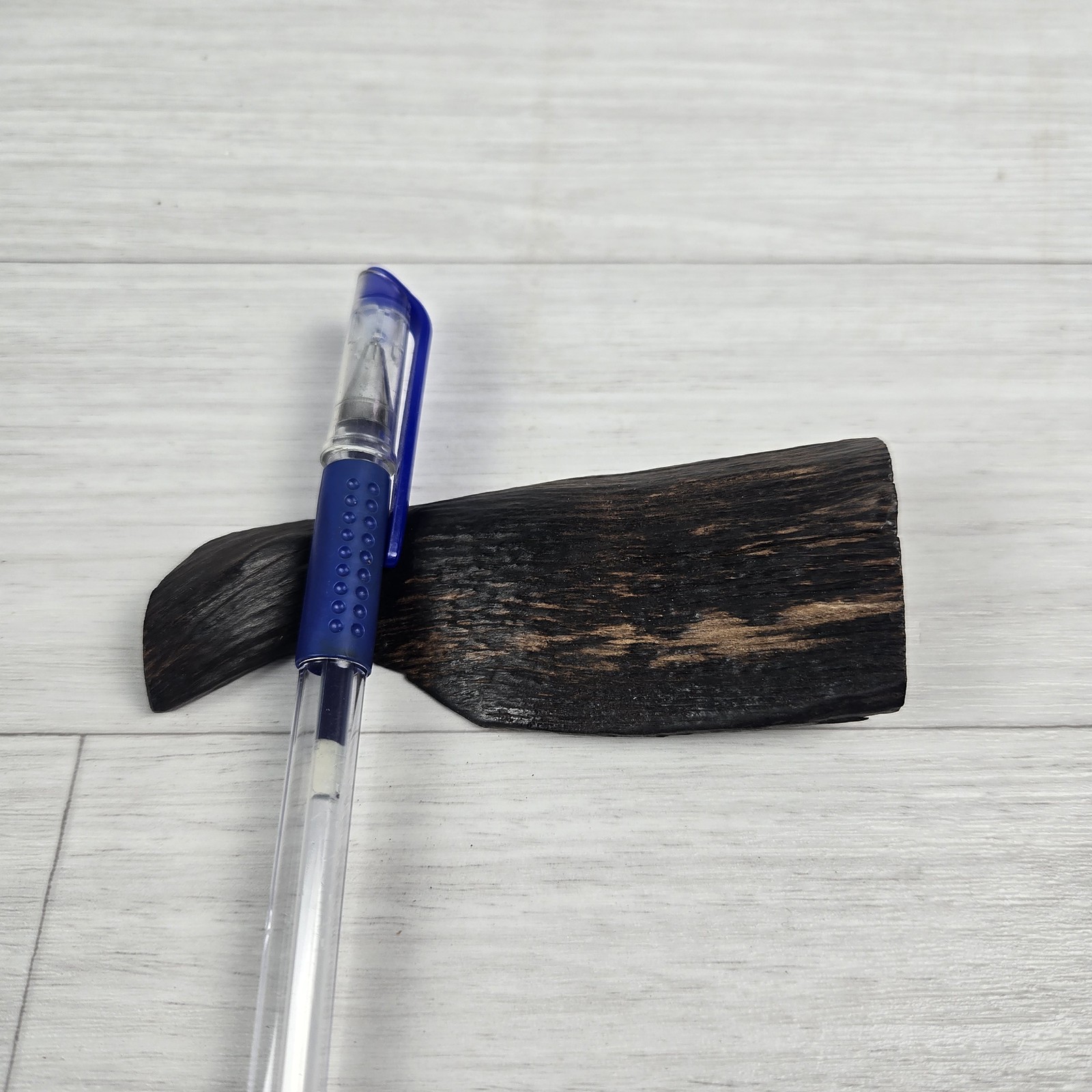
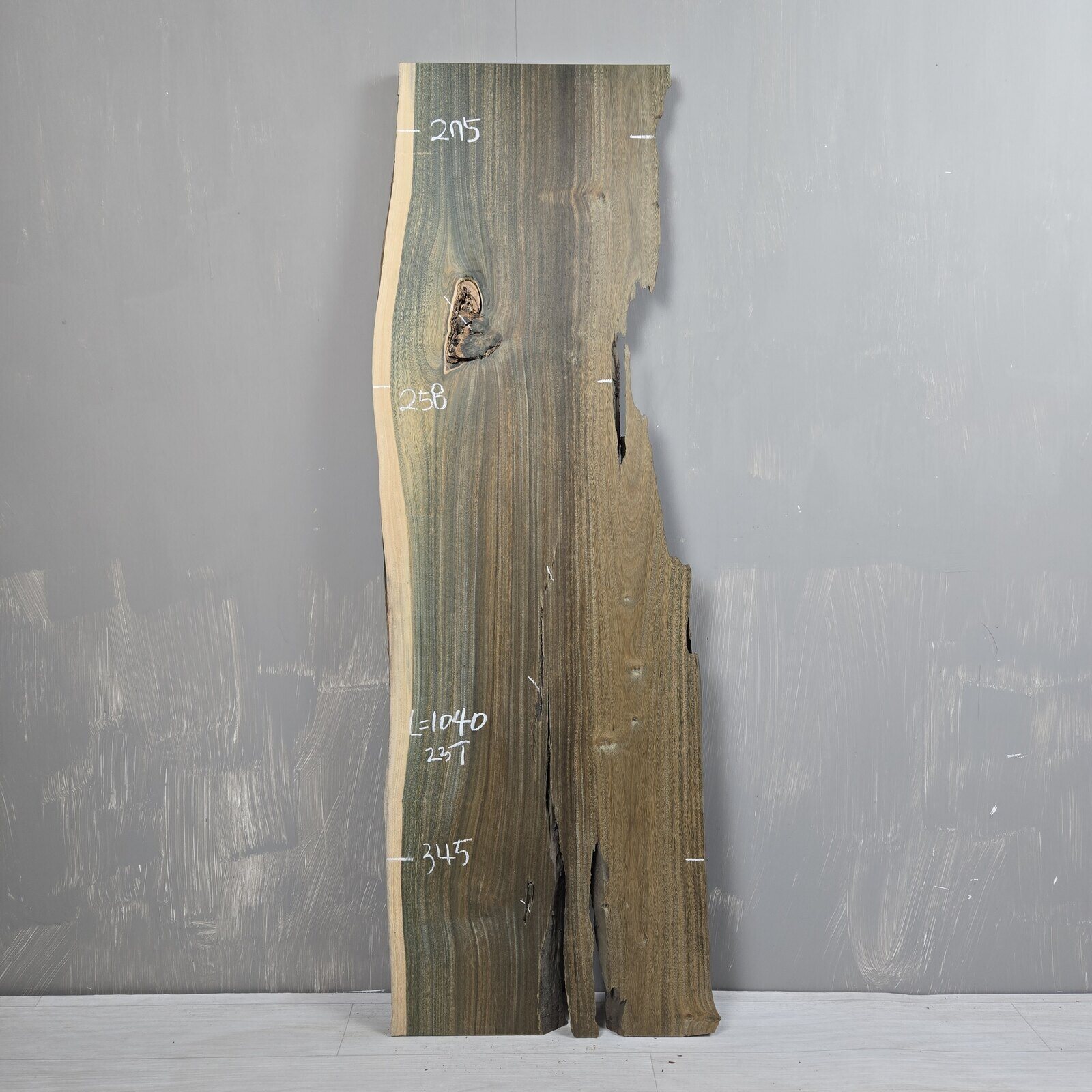 Lignum VitaeExotic hardwoodsOlive-brown
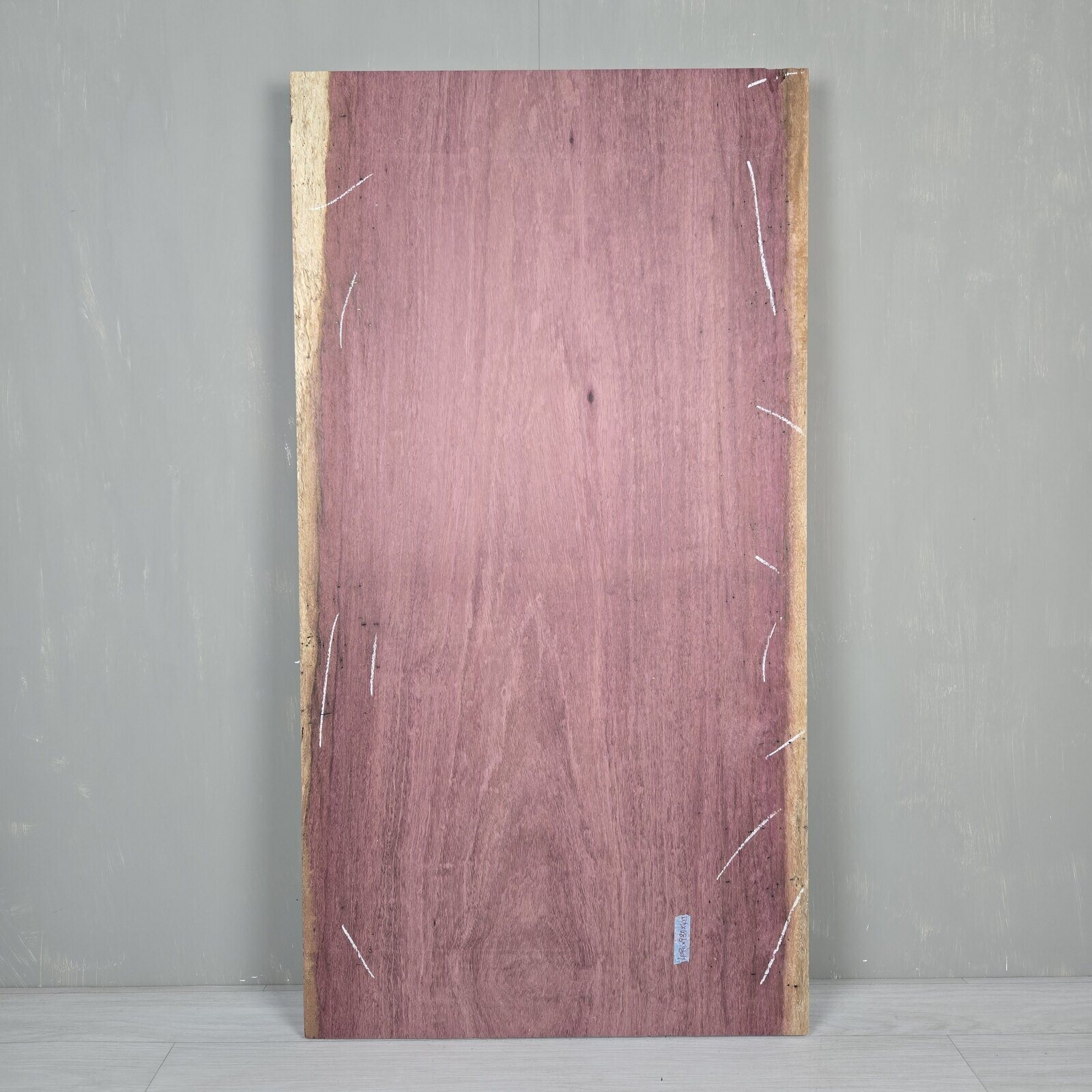 PurpleheartExotic hardwoodsPurple
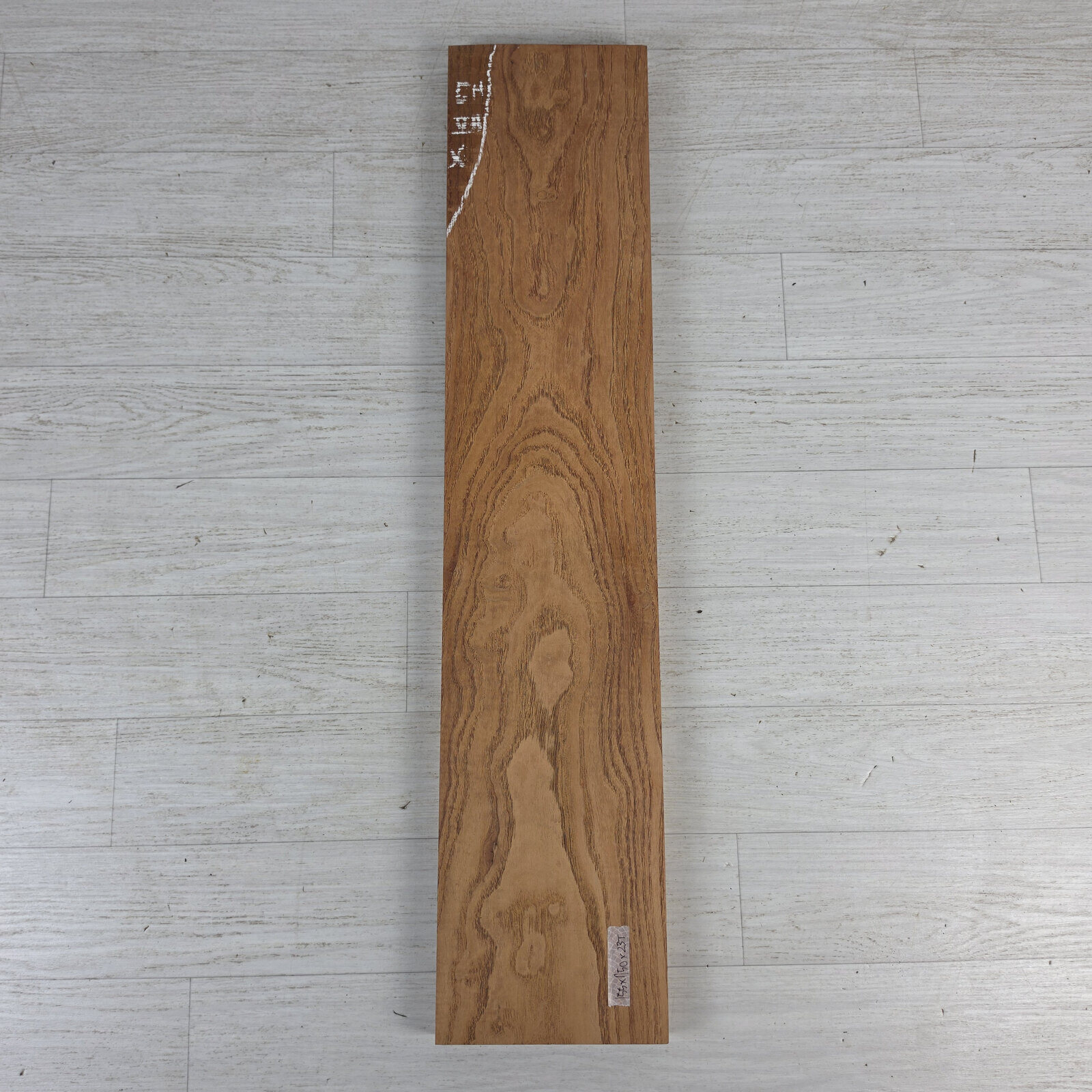 ToonaKorean woodsWarm red-brown
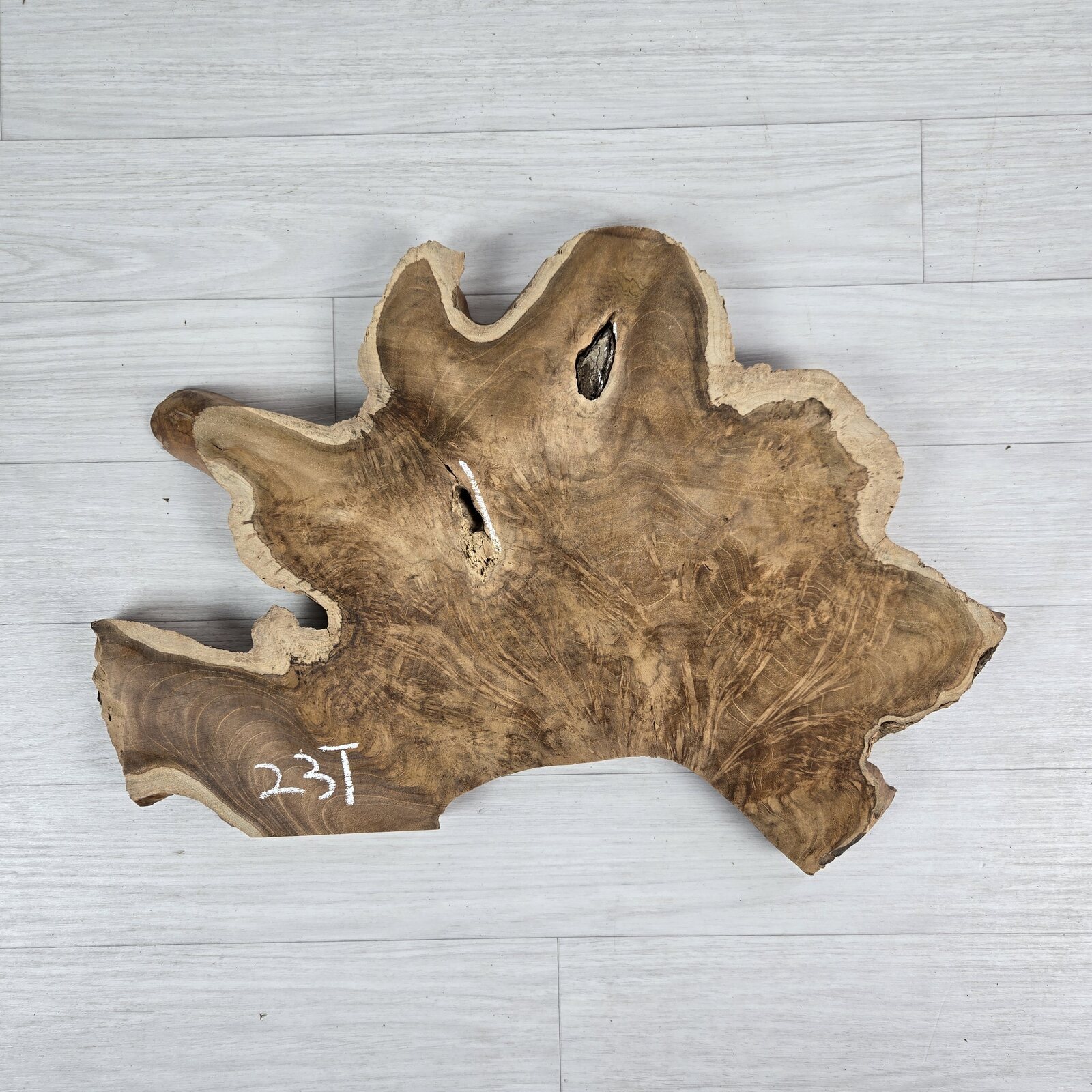 TeakExotic hardwoodsGolden-brown to brown
Woodway pen blanks consist of wood material only; the pen kit (metal components) is not included. All photographs are Woodway product photographs.